

The sun rises over the Maasai Mara, painting the savanna in shades of gold, while Ricky Lubelei tends to the neat rows of vibrant greens and herbs within the Basecamp Masai Mara campgrounds. In his hands, he holds cherry tomatoes still warm from the morning light. Soon they’ll reach the camp kitchen, each one carrying the essence of this place—the rich earth, the grower’s careful touch, and the simple pleasure of food that travels just a few metres from farm to plate.
This is more than farming. This is the heart of Saruni Basecamp’s new food philosophy coming to life, where every meal becomes a bridge between the wild beauty surrounding us and the rich culinary heritage of Kenya.
A Menu Born from Purpose
Two years after the merger between Saruni and Basecamp Explorer, guest feedback revealed an uncomfortable truth that would drive our complete menu transformation. Here were travellers who had journeyed across continents to experience authentic African culture and cuisine, yet found themselves served the same Italian dishes they could enjoy back home. The irony wasn’t lost on us—we were asking guests to trust us with their African adventure while serving them food that ignored the very place that made their journey meaningful. This disconnect, consistently highlighted in guest reviews, demanded more than acknowledgment; it required the comprehensive menu overhaul we were about to undertake.
The solution became our new six-day menu—a contemporary fusion approach with an unmistakably Kenyan touch, crafted through months of collaboration with local consulting chef, Raphael King’ori and our Group Head Chef, Ben Soit, whose cookbook inspired much of what you’ll now experience at our camps.
“I love the Kenyan touch in the new menu. It signifies the warmth of the Kenyan people,” shares Chef Ben. This warmth isn’t just about hospitality— it’s about honouring the land that sustains us and the communities whose traditions inspire our kitchen.
But this transformation goes far deeper than recipe changes. Every dish now tells a story, utilizing fresh vegetables from our organic gardens and celebrating the seasonal flavours that define this region. The menu standardizes our commitment to locally sourced, sustainable ingredients across all locations, ensuring guests experience authentic regional cuisine wherever they stay.

From Farm to Table
Every morning, Ricky walks through Basecamp Masai Mara’s organic garden with the focused attention of someone who understands that what happens in the soil directly impacts what happens at the table. “First thing I do every morning is inspect the plants,” he explains, checking for any signs that his carefully balanced ecosystem needs attention.
His pest control arsenal reads like a recipe collection: chili, garlic, marigold, leeks, pawpaw leaves, and neem boiled into organic solutions. Crushed eggshells scattered around tender seedlings deter slugs naturally. Even rabbit waste becomes valuable fertilizer in this closed-loop system where nothing goes unused.
“Organic farming approach is good for consumer health as well as the health of the soil and environment,” Ricky notes. No chemical fertilizers, no synthetic pesticides, just companion planting that naturally repels pests while promoting soil health. The marigolds scattered throughout Ricky’s garden serve as natural pest deterrents, their bright blooms reminding us that the most effective solutions often integrate beauty with function.
What Ricky has cultivated here represents our commitment to expanding across all Saruni Basecamp camps and lodges. Soon, all of them, except Basecamp Dorobo Mobile and Basecamp Hill Top , will have its own organic garden, creating a network of sustainable food sources that reduce our carbon footprint while guaranteeing the freshest possible ingredients.
For now, when Ricky’s garden produces surplus, neighbouring camps and lodges benefit from the abundance. When certain crops like broccoli and cauliflower prove challenging in our climate, we turn to local suppliers, maintaining short food miles and supporting regional farmers as we refine our growing techniques.
Stories on Every Plate
Chef Richard Narrida, Head Chef at Basecamp Masai Mara, takes visible pride in what emerges from his kitchen. “Local dishes like matoke, githeri salad, and kaimati are favourites among guests. It makes me proud to see our local meals on the menu.”
This pride isn’t accidental—it’s the result of extensive training that included not just the chefs, but our entire food and beverage service teams. They learn not only how to prepare and present these dishes but also the stories behind them: which communities inspire certain preparations, how traditional techniques adapt to modern kitchens, and why these flavours belong in this landscape.
Johnson Minis, Head Waiter at Basecamp Wilderness, observes how guests respond: ” The local Kenyan dishes we serve on Fridays are always well-received by our guests.” But the storytelling happens every day, woven naturally into meal presentations as stewards share the origins and significance of what’s being served.
“The stories around the food are spontaneous, joyful and lovely to draw the guest in,” shares Miriam Obegi, our Chief Operations Officer. “Just as guests leave with vivid memories of wildlife encounters shared by guides, we want them to carry equally rich memories of culinary discoveries shared by our kitchen teams.”

Beyond the Three Meals
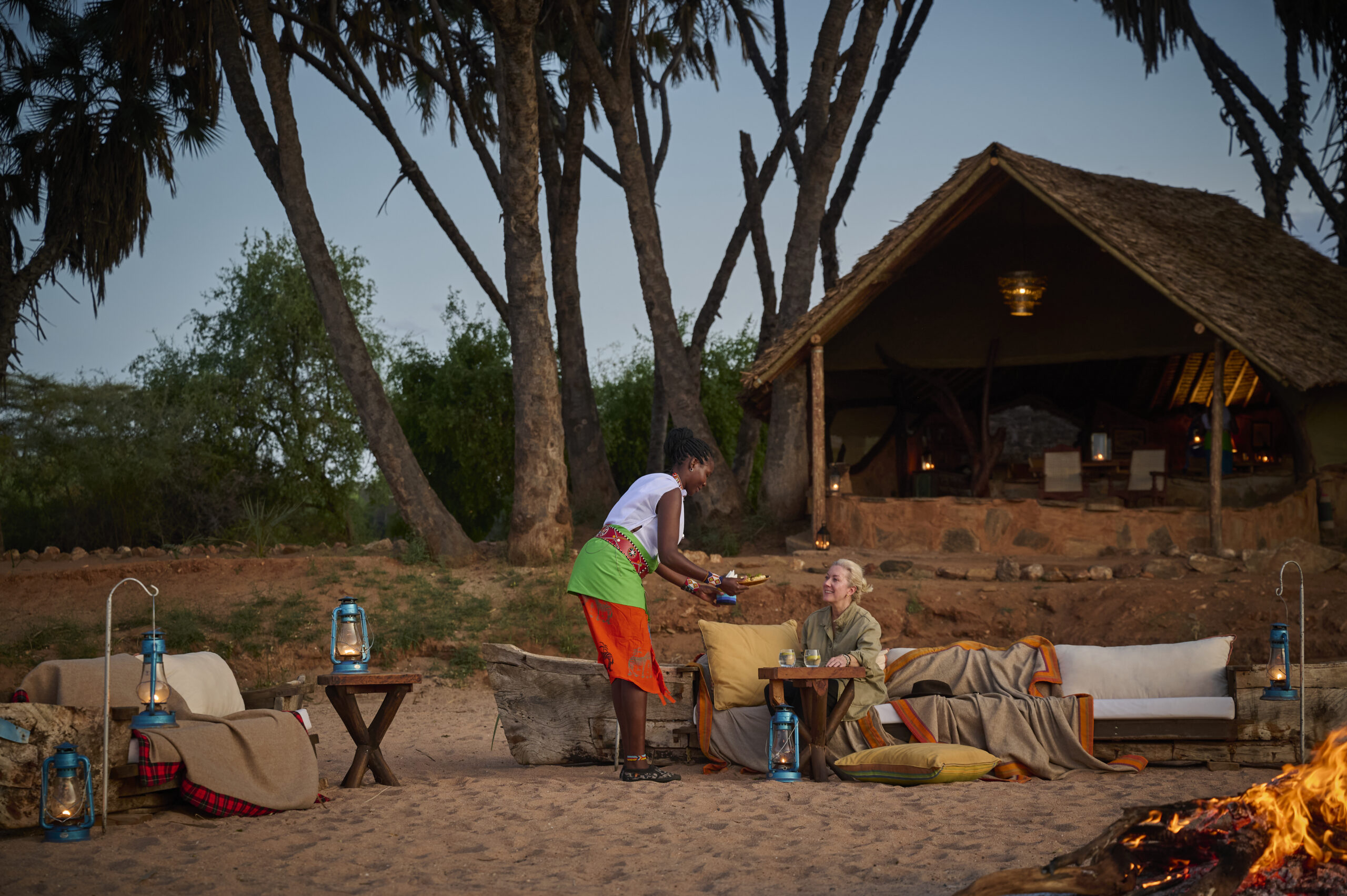
This new approach reimagines the entire eating experience. Wake-up call bites, bush breakfasts, sundowner offerings, elevated picnic dishes with thoughtfully upgraded packaging and cutlery—every food moment becomes intentional. Our varied 6-day menu ensures that guests visiting multiple camps never have the same meal twice, maintaining fresh culinary experiences across all locations within our shared philosophy.
Moses Lekishon, a Saruni Basecamp Academy alumnus and current chef at Basecamp Wilderness captures this variety: “Incredible range of dishes including starters—not just soups but fresh salads too.”
The herbs that elevate these dishes grow steps away from the kitchen. “Dhania is my favourite herb to work with,” Chef Richard explains. The dhania adds distinctive bright flavour to countless dishes, further strengthening the connection between garden and plate.

Sustainable by Design
In our kitchens, you won’t find cling film or aluminum foil. Baking paper serves our needs while reducing waste. Composting, crop rotation, and natural pest control aren’t just gardening techniques—they’re expressions of our commitment to practices that regenerate rather than deplete.
Water scarcity makes mulching essential in the garden, while every form of organic waste finds new purpose in our composting systems. “Putting each waste into use makes this very sustainable,” Ricky explains, embodying the circular thinking that defines genuine sustainability.
Even simple ingredients like baking soda, apple cider vinegar, and salt become pest control tools, proving that effective solutions often come from working with natural systems rather than against them.

The Deeper Harvest
“There is fulfillment in my job. It is very holistic and rewarding to see things grow from the soil,” Ricky reflects. Guests who visit the garden share this sense of wonder, “always mesmerized to see the farm-to-table concept in action.”
This connection—between seed and plate, between local tradition and guest experience, between environmental health and human nourishment—represents something larger than a menu change. It’s a commitment to place-based hospitality that honours where we are while creating genuine cultural exchange.
Saruni Basecamp CEO Jeremiah Mutisya captures the scope of this transformation: “After months of development with our culinary team, we’ve created dining experiences that honour local flavours while meeting the diverse palates of our guests. From staff training to menu testing, equipment upgrades to guest experience refinements—every detail matters when you’re creating memories that last a lifetime.”
Tasting Tomorrow
As guests increasingly seek travel experiences that contribute positively to destinations they visit, our food philosophy offers something real: meals that prioritize sustainable and local sourcing, celebrate regional cuisines, tell the story of this land, reduce environmental impact, and create authentic cultural connections.
Every plate tells the story of this place—its soil, its seasons, its people, and its possibilities. And every meal becomes an invitation to taste not just what Kenya offers, but what responsible travel can accomplish when we choose to truly embrace where we are.