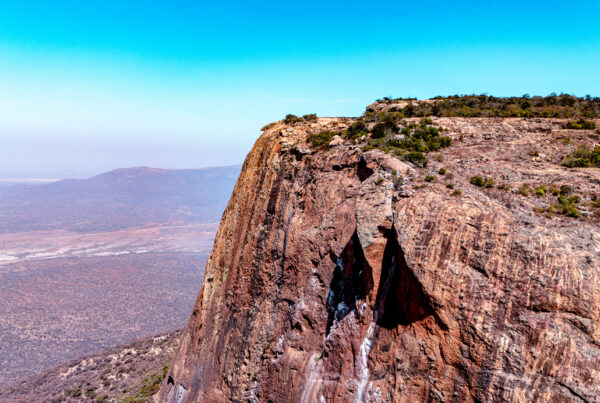


Hundreds of kilometres south of the Mara, the sky over the Serengeti turns to smoke from fires lit with intention. These are controlled burns, set by Tanzania National Park Authority (TANAPA) in the weeks after the rains, clearing the tall, spent grass so something greener can rise beneath it.
Left alone, thorn and scrub would creep in and choke out the very grasslands the migration depends on. It is the true first sign of the migration. Weeks before the herds even reach the Mara River, they are already moving toward the smoke; grazing their way north across the burnt Serengeti plains, drawn by the same green shoots our guides are watching for.
The Grass That Calls Them North and the Scouts Sent Ahead
The herds chase the red oat grass for its warm, reddish hue when it catches the light which signals more than good grazing.
Besides the delicacy, it also happens to be mating season. The wildebeest time their journey to arrive at these plains precisely when this grass is at its most nourishing, a rhythm that has repeated itself for longer than anyone has been keeping count.
The timing is no coincidence, either. The herds move north just after the long rains have passed, arriving to grasslands already replenished and ready to feed nearly half a million animals at once.
Before the great mass of wildebeest ever approaches a crossing point, a smaller group arrives first and it isn’t wildebeest at all.
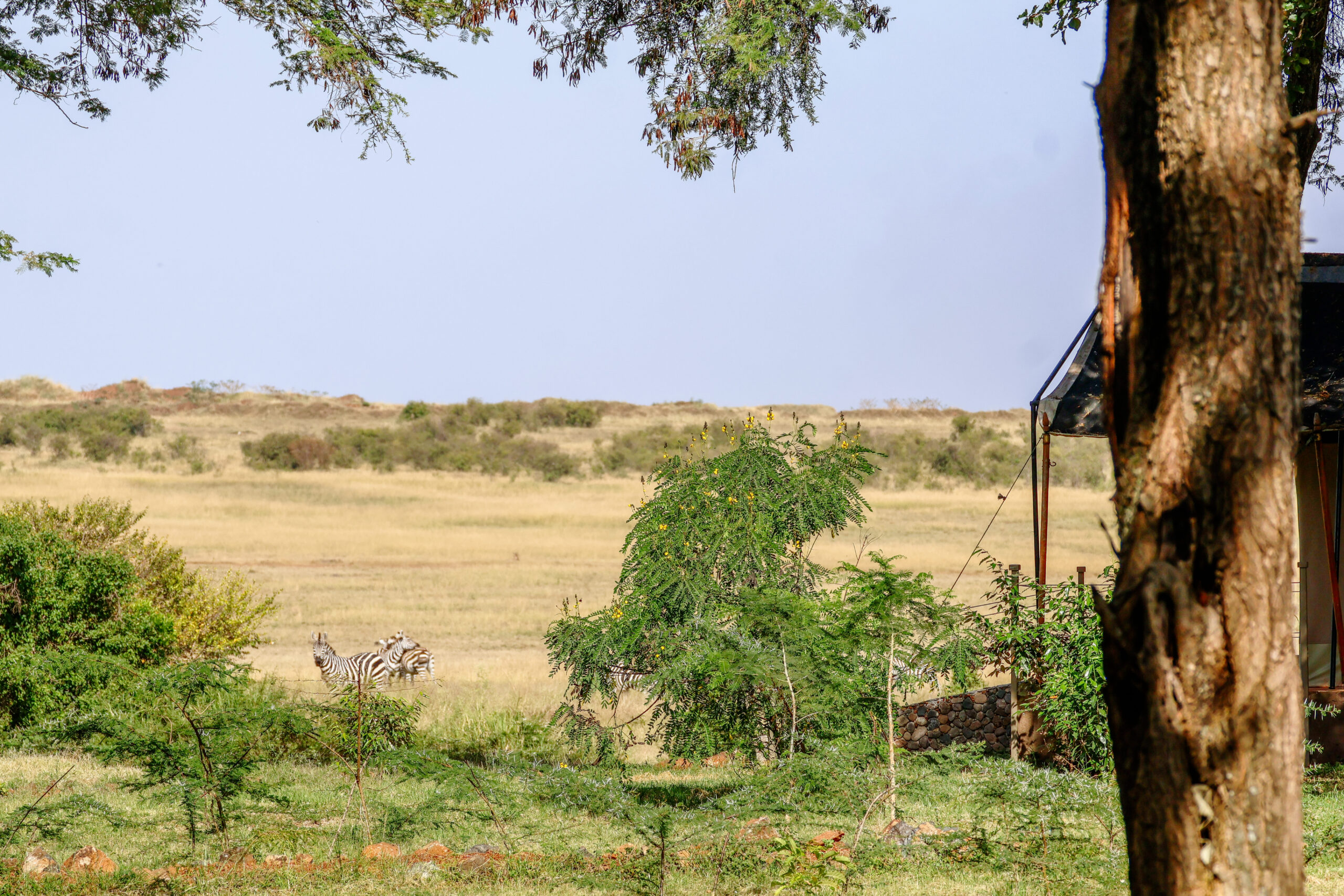
In mid-June, a modest herd of zebra makes its way into the Maasai Mara alone, almost like scouts sent to test the ground. Zebra can thrive on taller grass, which suits them well, since the grass at this point in the season hasn’t yet been grazed down by the thousands that will follow.
Our guides watch for them closely. Their arrival tells us, more reliably than any calendar, that the season is truly beginning.
When the Crossing Finally Comes

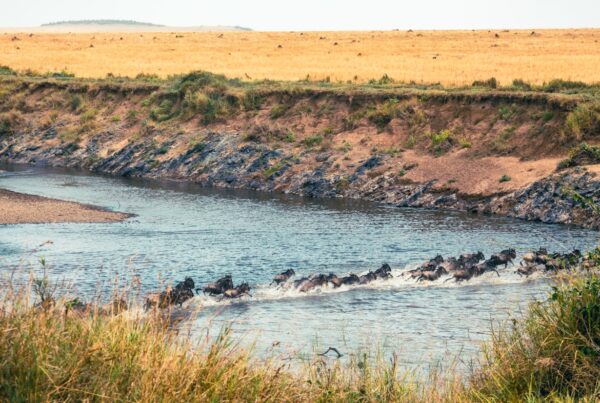
There are roughly ten crossing points along the river, and the herds tend to move at the edges of the day; early morning or late evening, when the light is low and the water is calmest.
Zebra lead, almost without exception. They will stand at the riverbank for up to an hour, reading the current and watching for danger before a single hoof enters the water. It is patience worth witnessing in itself. When wildebeest attempt a crossing first, or scatter without that same collective caution, the toll is far higher.
By the time the herds are near the river, the resident lions and cheetah have already repositioned themselves close by, though hunger isn’t the whole story. And the crocodiles waiting below feed only once a year, swallowing their prey whole and digesting slowly over the months that follow. Even this, the moment most associated with drama, follows its own logic.
How We Prepare for the Migration
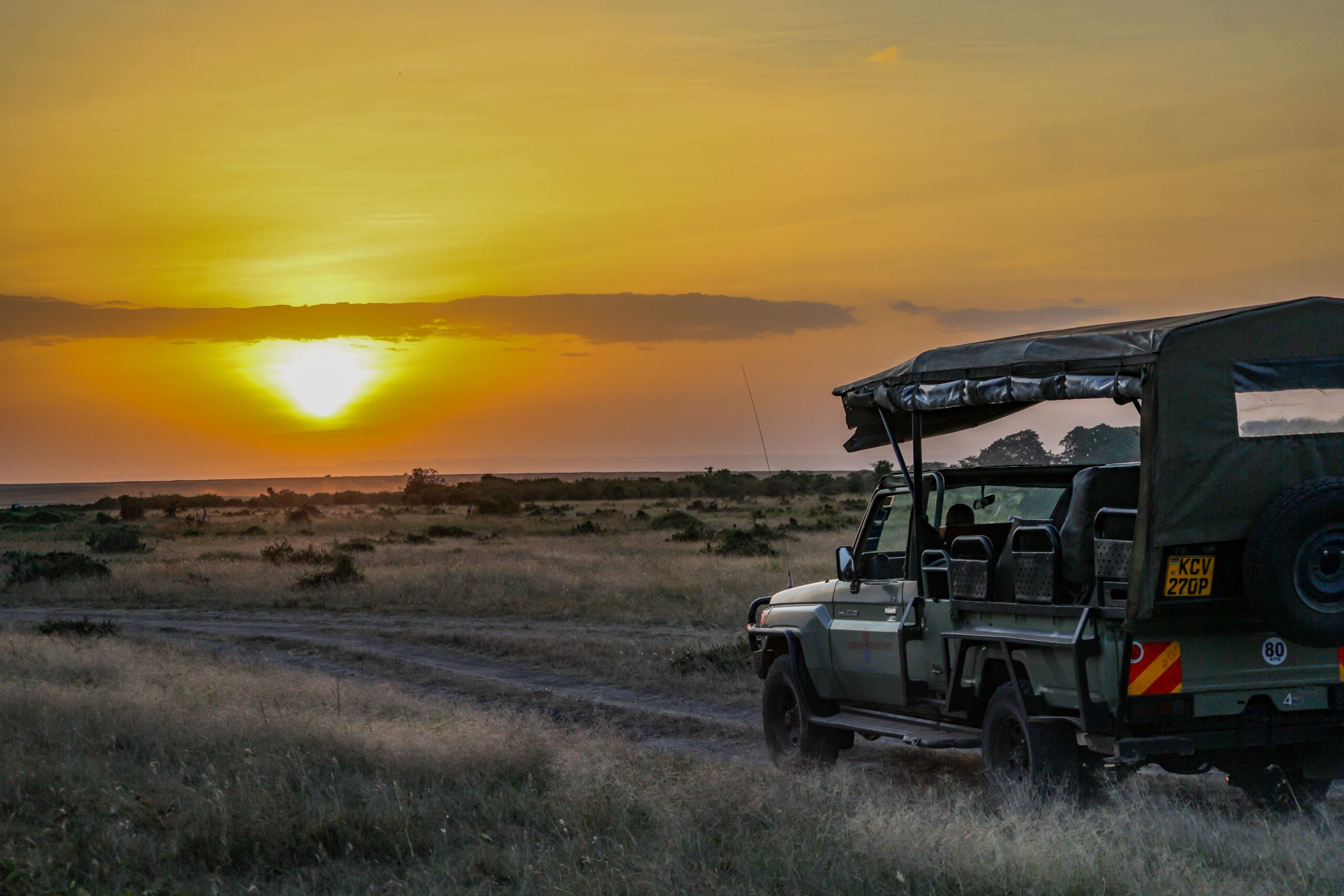
Behind every full day spent following the herds, there is a flurry of preparation on our end.
Our chefs begin readying picnic breakfasts and lunches, because when the migration is close, our guests rarely want to return to camp midday. They usually want to stay out, present, for as long as the herds allow.
During evening briefings, our guides gently encourage full-day game drives over the more typical morning and evening outings, because this season simply asks more of the time you give it.
We also keep an additional vehicle on the ground at all times during peak season, ready for anything the day might bring. It is a small detail, but one that reflects how seriously we take both your safety and your experience of a landscape that moves entirely on its own terms.
The crossing is never guaranteed, and we like our guests to know this. It doesn’t happen every day, even at the height of the season, and no amount of planning can promise you will witness it on the afternoon you happen to be watching.

At Saruni Basecamp, we prepare our guests for both possibilities: the extraordinary chance of seeing thousands of animals move across the water at once, and the equally rich experience of a normal game drive through plains that are, at this time of year, anything but ordinary.
Because in July, the Mara doesn’t simply host wildlife. It turns black with it, herds stretching to the horizon, their calling rising and falling across the plains like something the land itself is saying.
That is the migration we want you to come and meet. The crossing, should you be there for it, is simply where the story happens to pause for breath.