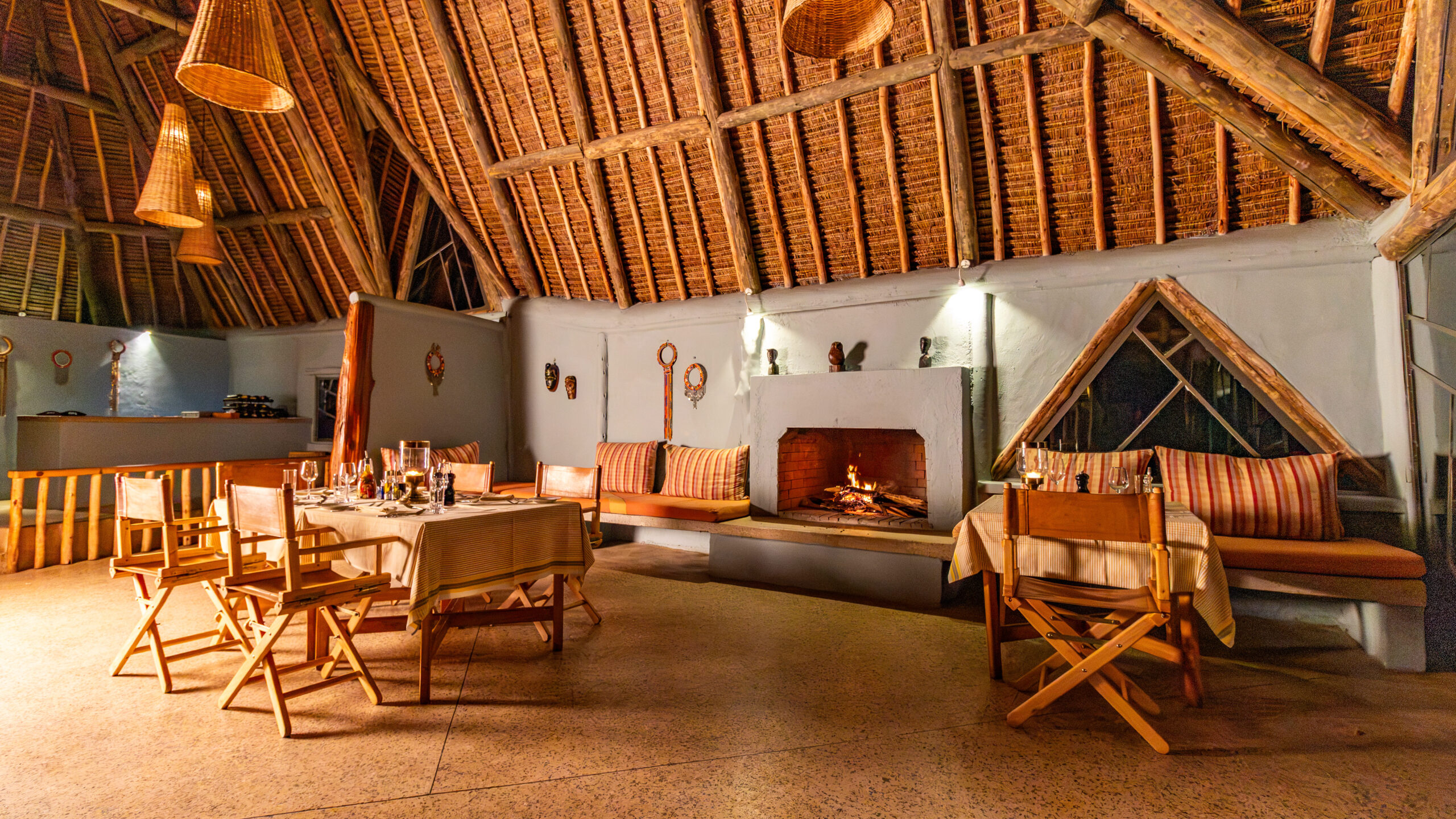


You’re standing on the veranda of your tent in the Mara Naboisho Conservancy, coffee warming your hands, watching the land unfold to the horizon without a building or a single human sound, for miles.
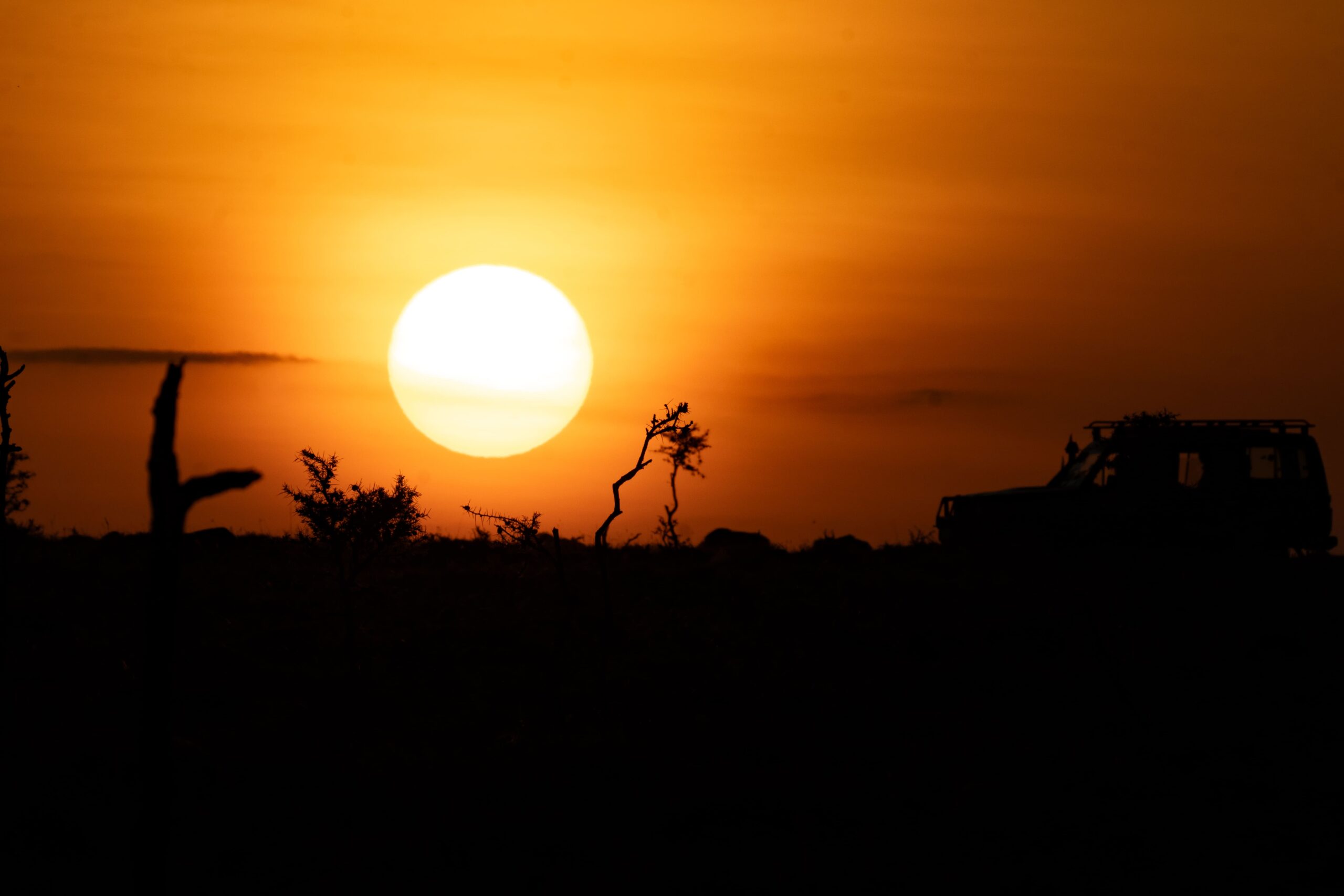
In a parallel universe a few kilometres away, first light spills over the Ngama Hills and settles gold across the short grass. Somewhere behind that ridge, a quarter of a million wildebeest are grazing their way through the red soil.
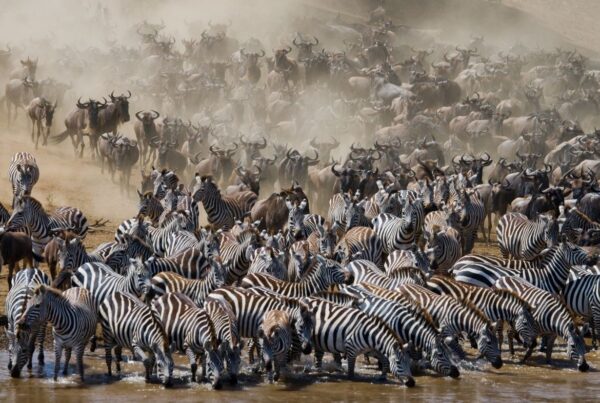
While the crowds gather at the Maasai Mara National Reserve to watch as the herds thunder past, something calmer is unfolding just beyond its borders. In the conservancies, the migration tells a different story; one worth paying just as much attention to.
These are the two sides of the legendary Maasai Mara tourists come looking for. As our guest, you don’t have to choose between them; a short drive from camp puts you at the heart of the crossings themselves, while your evenings return you to the wild close enough you can hear it breathe.
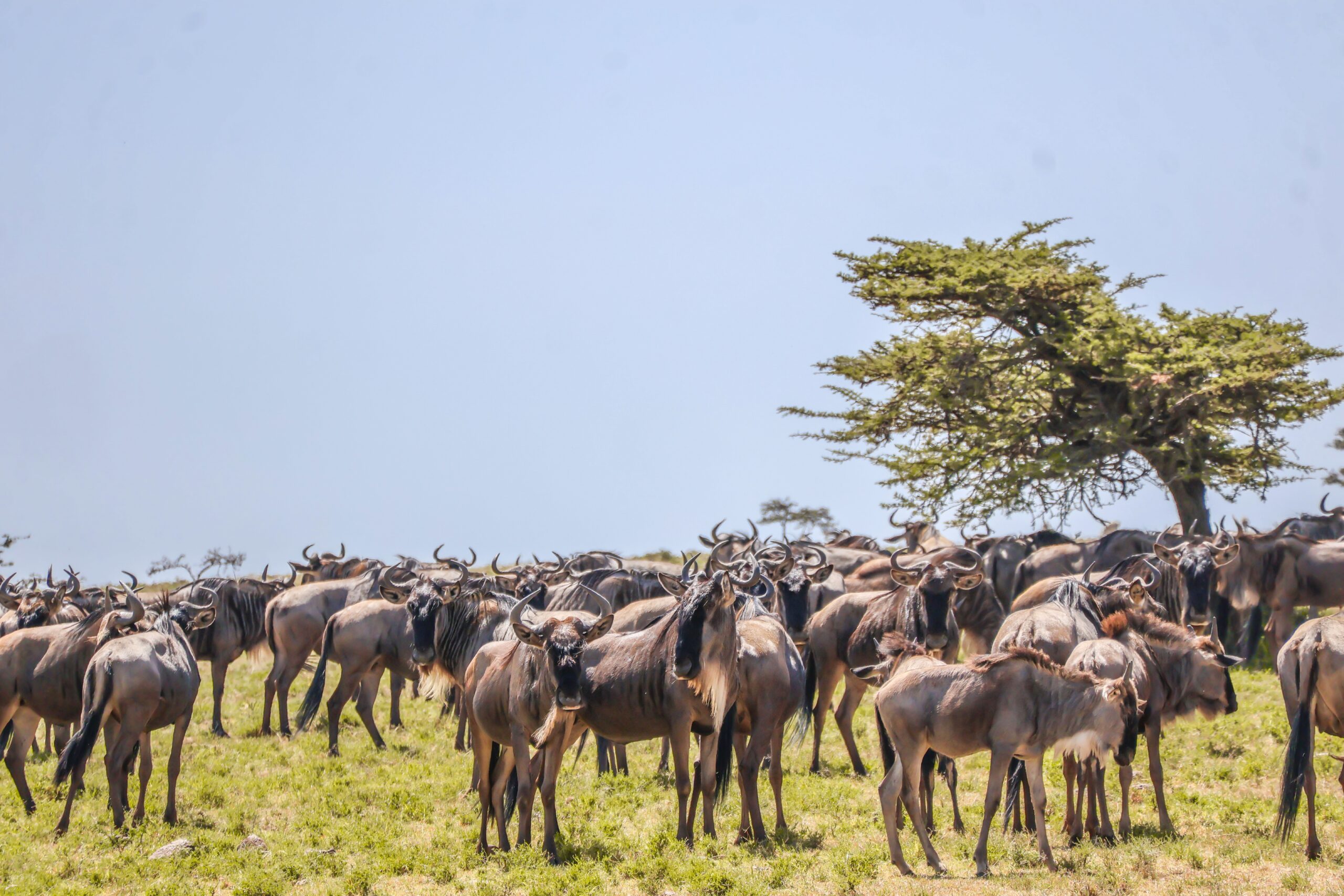
The wildlife within the conservancies carries on largely undisturbed by the commotion in the park. Some animals go further still, crossing out of the reserve altogether to escape it.
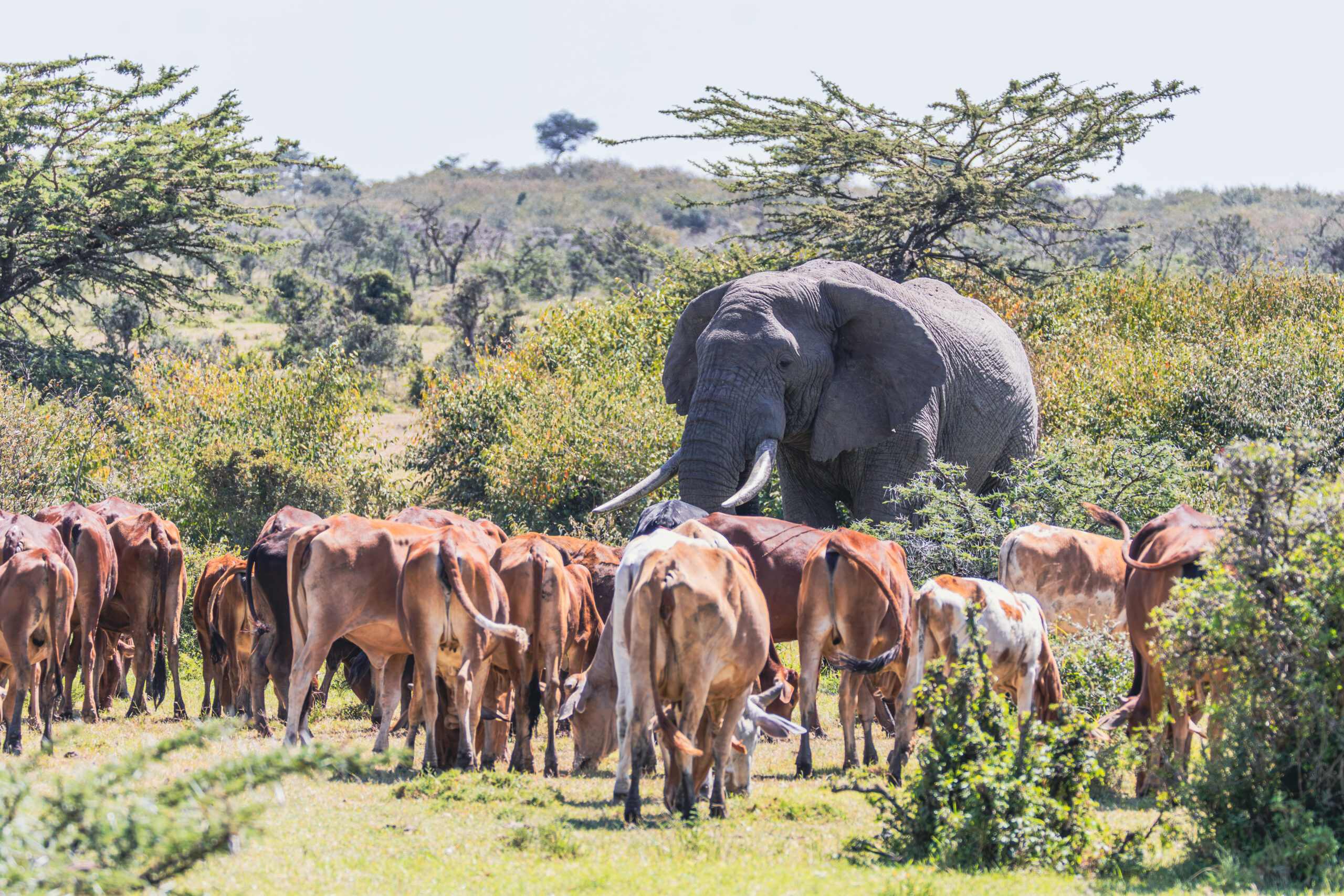
Elephants are often among the first to move. The roar and rumble of the wildebeest columns isn’t to their taste, and so their numbers in the conservancies swell as the season builds.
The good news for you: the same animals drawing crowds in the reserve are very often just as visible here, minus the crowds. And the conservancy rule that keeps a sighting intimate; no more than five vehicles at any one scene, holds firm, migration season or not.
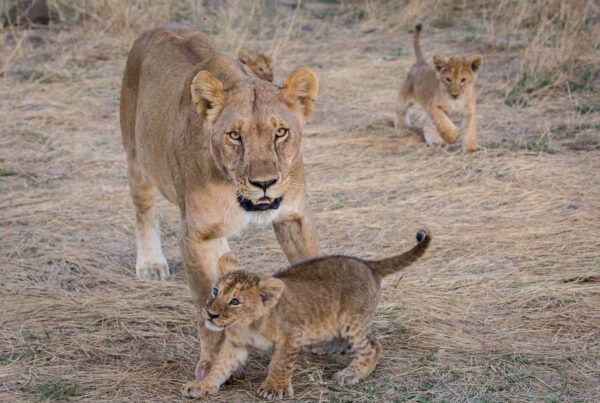
Whether it’s a lion cubs stretched stretched out in the early sun, drowsy and full-bellied after a night’s hunt, or a leopard easing along a riverine thicket, you’ll have the moment to yourself or only share it with a handful of people.
What a Private Conservancy is and Why it Changes Everything
Think of a private conservancy as the wilderness with the door held open just for you. No queues of vehicles or minibuses nosing for the same sighting, it simply is a stretch of land where the rules were written to protect not only the animal but also the encounter.
Most first-time visitors assume the migration belongs entirely to the National Reserve. In truth, a dozen or more conservancies border it governed by conservation agreements that cap vehicle numbers, limit development, and crucially allow experiences the reserve simply can’t such as night drives, walking safaris, and true off-road wildlife viewing.
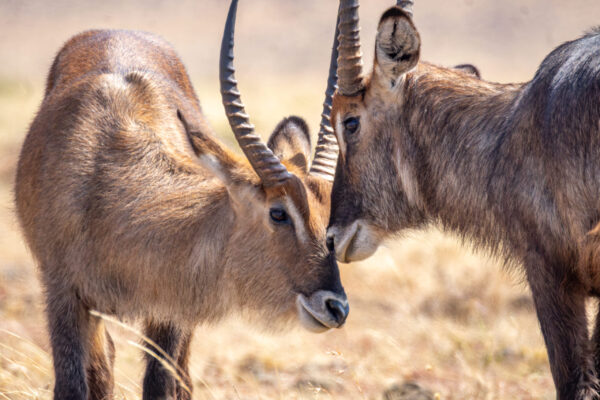
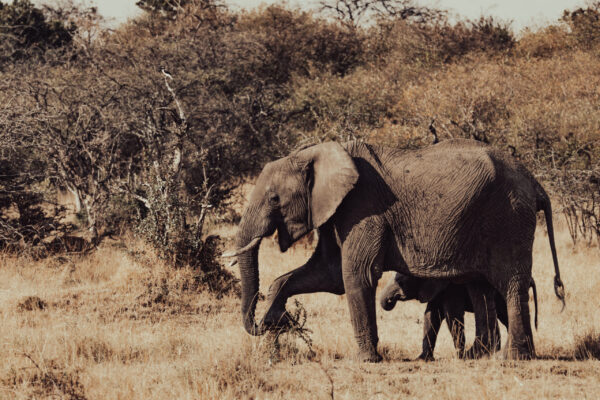
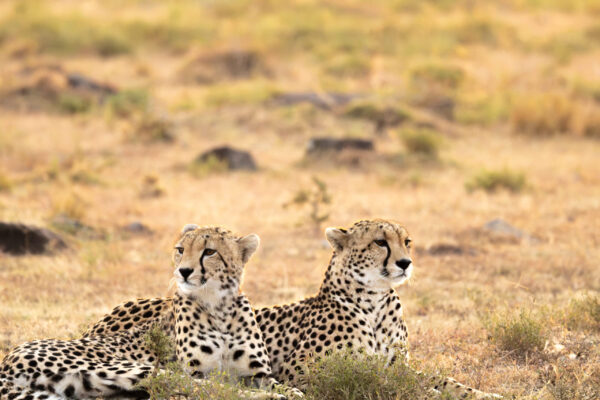
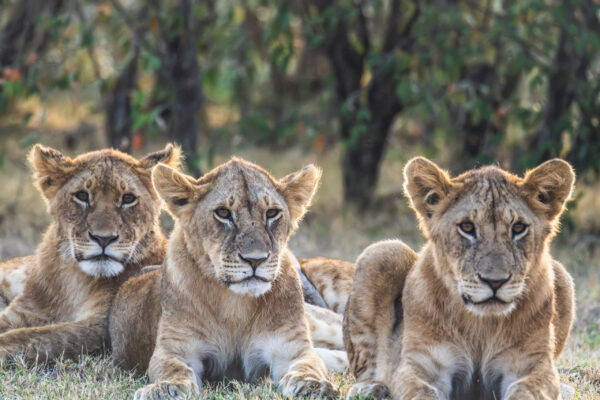
Here’s what that feels like, in practice. Where a leopard sighting in the reserve during peak season might draw over a hundred vehicles, in a conservancy it might draw two or three or, some mornings, just yours.
Maasai rangers, who read the land the way you or we might read a familiar street, lead the walking safaris. After dark, an entirely different cast takes the stage: aardwolves padding through the grass, springhares bounding in the headlamp beam, the low glint of a genet’s eyes in the torchlight.
There’s a deeper current running beneath all of this, too. Every conservancy stay channels direct income to Maasai landowners through lease agreements, a model that makes protecting wildlife more valuable, economically, than converting land to grazing.
Through the Saruni Basecamp Foundation, that income extends further still, funding anti-poaching units, ranger salaries, and community schools. It’s a rare kind of luxury that gives back to the land it borrows from.
Conservancies Within Reach of the Crossings
No conservancy touches the river crossings because it explicitly happens in the Maasai Mara National Reserve but each of the three conservancies below carries its own particular character.
Mara Naboisho Conservancy — for our predators lovers
Naboisho means “coming together” in Maa, chosen by the roughly 500 Maasai landowners who came together to set this land aside when Saruni Basecamp helped found the conservancy in 2010. Across 50,000 acres bordering the reserve, one of Africa’s densest predator populations moves through grassland that stays productive with resident game year-round.
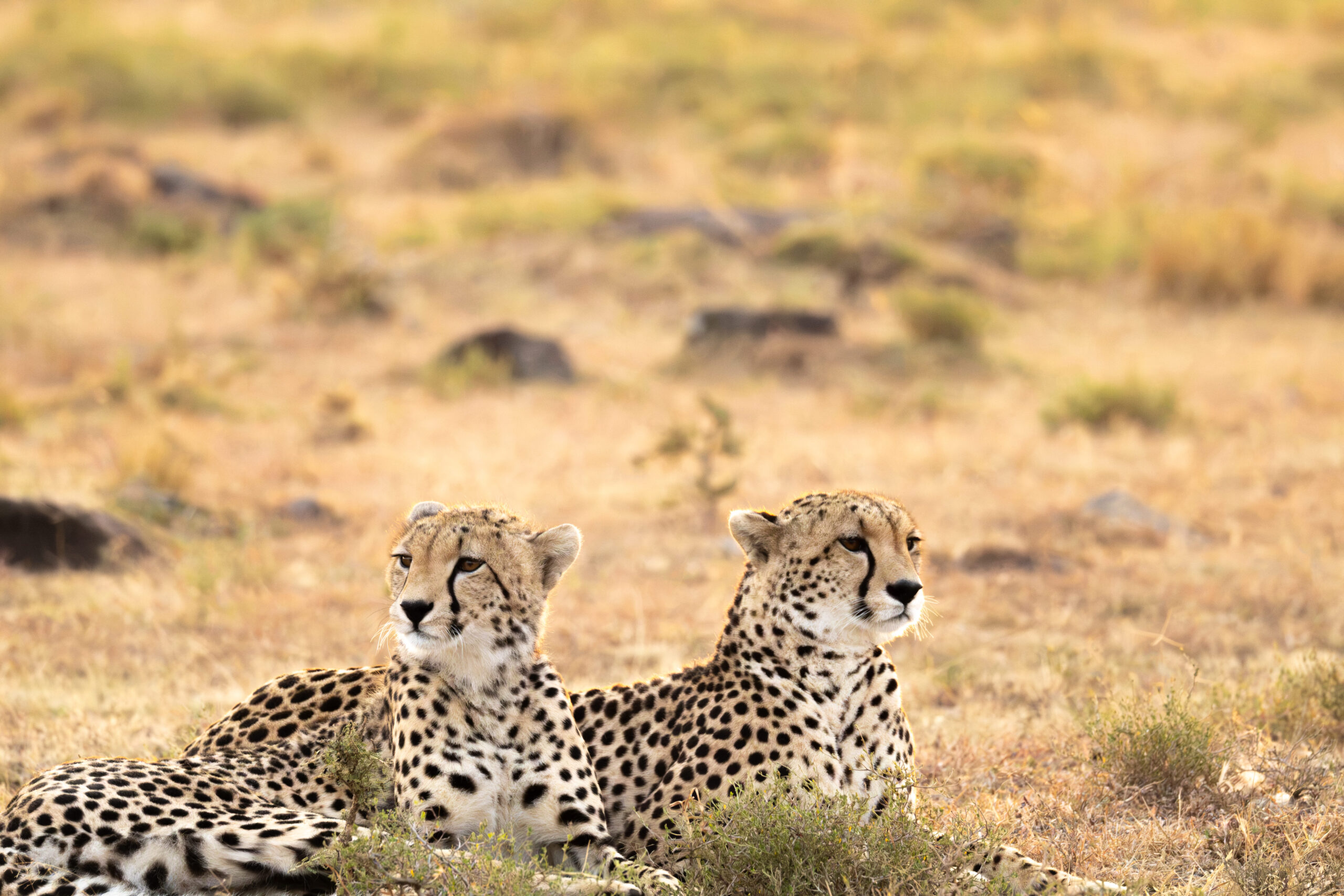
While the great herds gather at the reserve after the crossings, Naboisho keeps its own resident wildebeest, grazing on unaware of the drama playing out just beyond the boundary, and the lions, cheetah and leopard that follow them stay put too, tracked by remarkably few vehicles thanks to the conservancy’s strict caps, migration season or not.
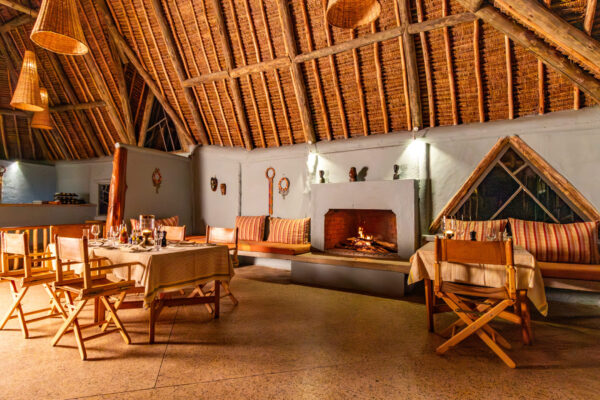
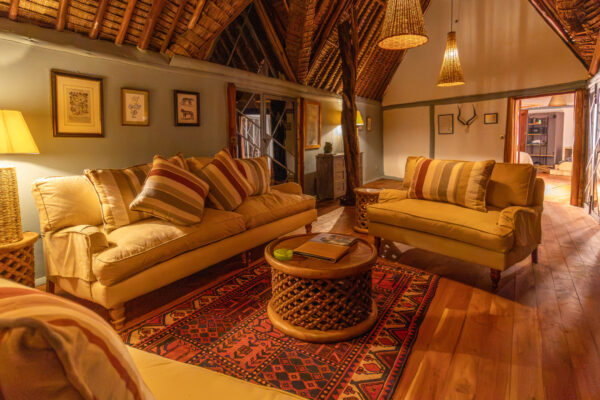
Our camps here are Saruni Eagle View, Saruni Leopard Hill, and Basecamp Wilderness all offering a different vantage on the same extraordinary ground.
Mara North Conservancy — for our patient trackers
Formed in 2009 through a partnership between around 800 Maasai landowners and twelve tourism operators and Saruni Basecamp among the founding members, Mara North Conservancy spans 74,000 acres on the Mara’s north-western edge.
Its fixed monthly lease payments to landowners, an innovation when the conservancy launched, still provide steady income independent of tourism’s highs and lows because land protection here isn’t left to chance.
The reward for guests is consistency. Leopard and lion sightings tend to favour the patient tracker, rewarding those who want more than a fleeting glimpse, and the conservancy’s landmarks — Musiara Marshes, Rhino Crest, Leopard Gorge — have earned their reputations for good reason.
Saruni Mara and Basecamp Mara Houses sit within this stretch of the northern Mara, both offering the kind of off-road access that turns a sighting into a genuine encounter.
Lemek Conservancy — for our guests chasing seclusion
Spanning over 7,600 hectares in the northern Mara, Lemek is smaller and quieter than its neighbours which Saruni Basecamp co-manages in direct partnership with around 500 Maasai landowners, many of whom are also part of our team.
Tucked close to the Mara River, its open savannah and riverine woodland hold a reliable resident population of lions, leopards and cheetah year-round, alongside elephants and the endangered Maasai giraffe.
With just two camps sharing this entire conservancy, Lemek offers some of the lowest vehicle density anywhere in the ecosystem. Saruni Wild sits along these northern corridors, an intimate, conservation-focused base for guests who want the wilderness with the volume turned down.
Our Invitation to Your Private Conservancy Safari
The Great Migration isn’t a single event so much as an ongoing, ancient rhythm of hooves and grass and river, repeating across these plains year round.
Watch it during the day at the reserve then spend the night at any of the conservancies we operate in, and it stops being a spectacle you observe from a distance. It becomes something you feel: the snort of a zebra stallion nearby, dust rising from a stampede somewhere just out of sight, a cheetah watching the herd with nothing but open grass between you.
That’s the privilege of a private conservancy safari and it’s waiting for you, whenever you’re ready to join it. Discover which of our conservancy camps fits your journey, and let’s start planning your place on that veranda.