

You’ve heard of the ‘Big Five, the Ugly Five, and maybe even the Little Five, but what about the Samburu ‘Special Five? The animals in the Northern are different. Not just different from what you have seen in books, but different from what you’ll probably see in the South, hence the dub special.
What sets them apart is not just their rarity. Each one carries the story of this landscape in its body. To meet them in their natural habitat is to understand, perhaps for the first time, what a Northern Kenya safari can truly offer.
It is a privilege that does not happen by accident. The conservancies surrounding our camps including Kalama, one of northern Kenya’s most successful community conservation models, exist because the Samburu people chose to protect this land and everything that lives on it. The Special Five thrive here because that choice has held.
The Samburu Special Five are:
1. The Gerenuk
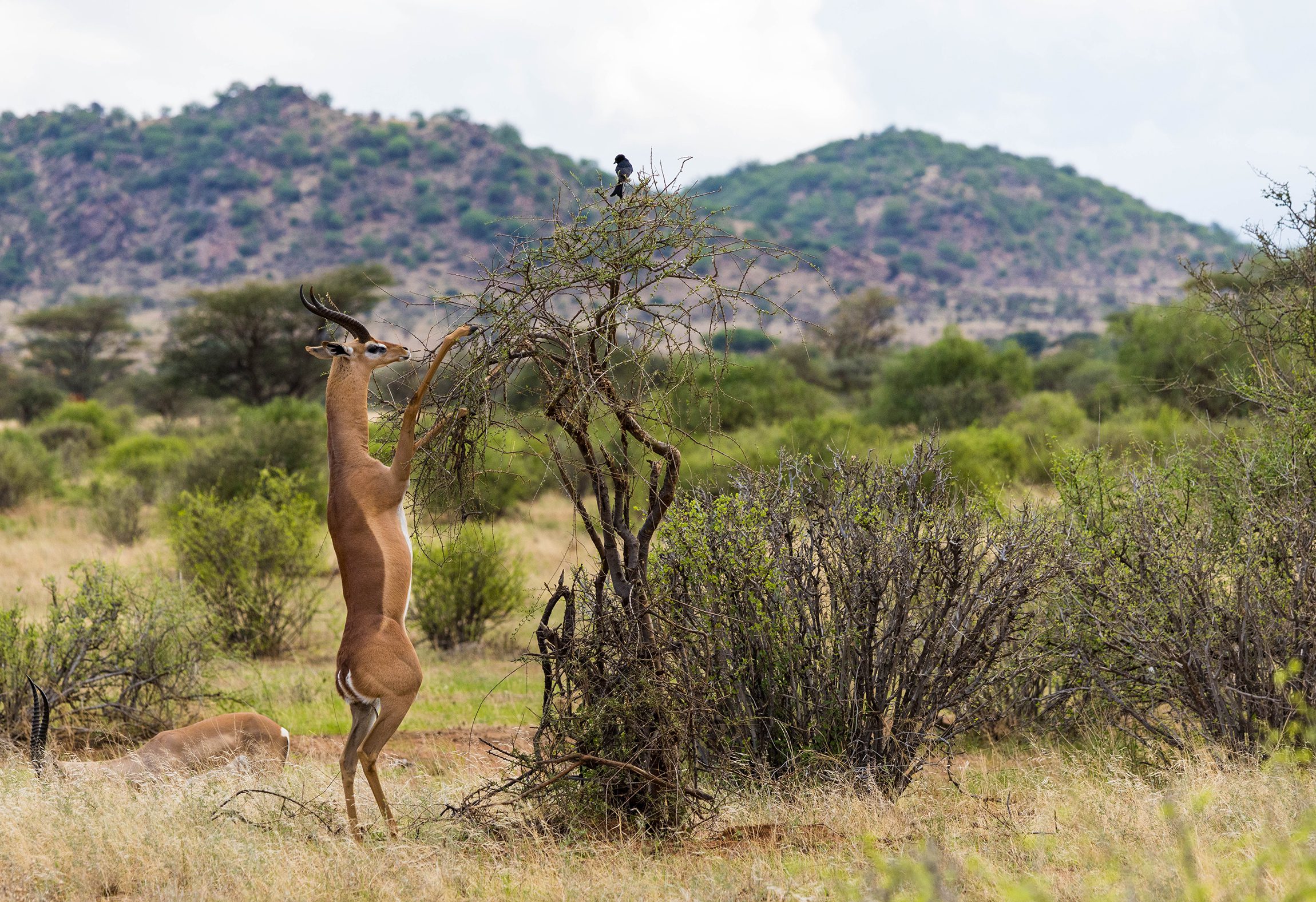
If we had to choose one animal that belongs entirely to this landscape, it would be gerenuk.
It is rust-red on the back, fading to cream on the underside, with a long neck and legs so fine they look as though they might snap in the wind. The face is small and tapered, with large dark eyes ringed in white. Everything about it suggests fragility.
When a gerenuk stands on its hind legs to browse the high branches of a thornbush, which it does as naturally as breathing, it becomes a different animal. Perfectly balanced, perfectly still, reaching heights no other antelope can access. It does this because it has had to. The gerenuk is the only antelope that has evolved completely beyond the need for water, extracting all its moisture from the leaves it eats.
We have shown this to hundreds of guests, and it stops the vehicle every single time. Even people who have been on a northern Kenyan safari a dozen times will still grab their cameras.
2. The Reticulated Giraffe
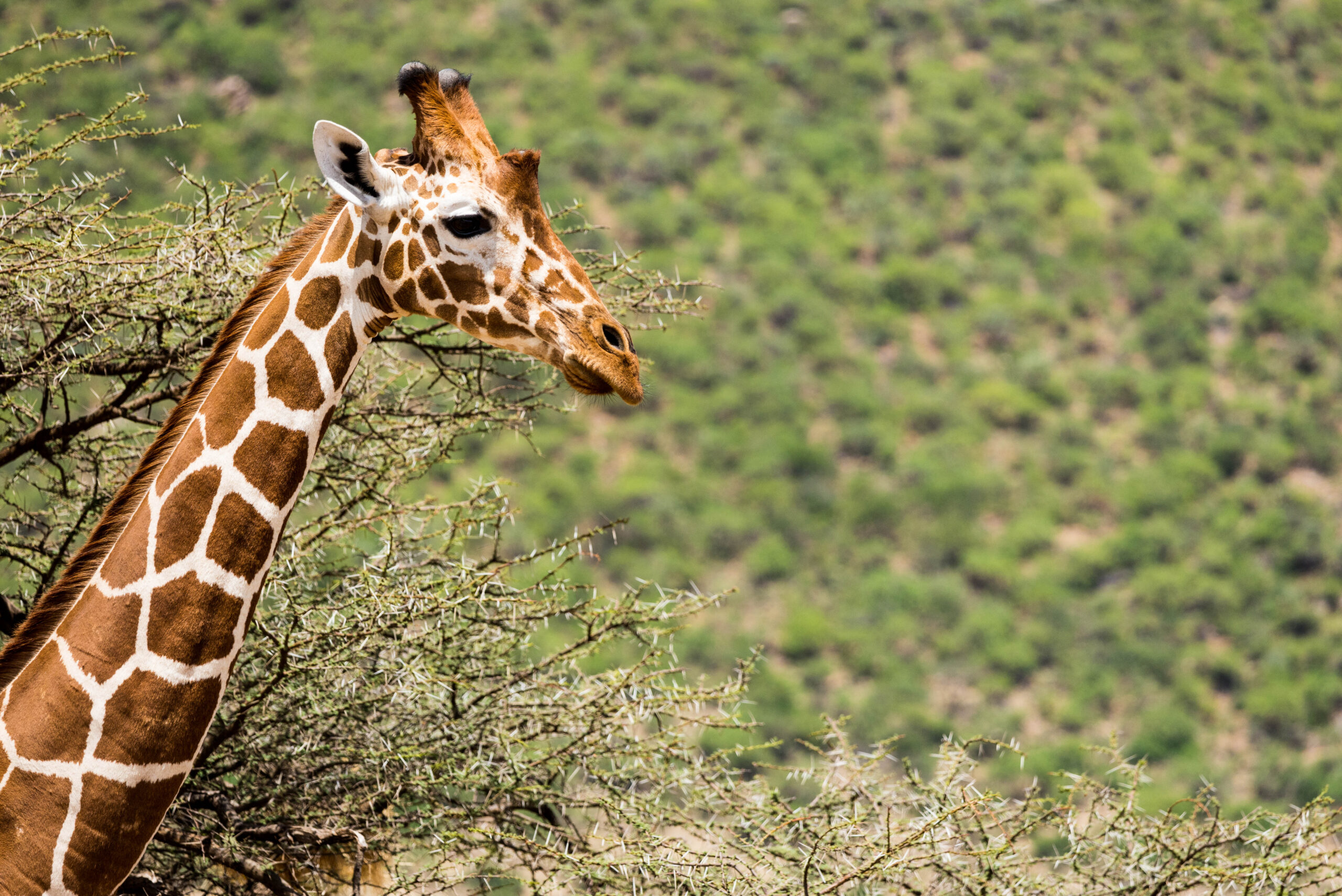
In the south, the giraffe you encounter is the Maasai giraffe, patterned in irregular brown patches that blur at the edges, like watercolour on wet paper. Beautiful, yes. But the reticulated giraffe of the northern is something else entirely.
Its coat is a deep, burnt sienna divided by crisp, cream-white lines so clean and deliberate they look as though someone took a fine brush and drew them on. The pattern holds all the way down the legs. Up close, the contrast with Maasai Giraffe is startling.
The reticulated giraffe does not hurry as it moves through the acacia woodland. It folds itself between the branches with patience that suggests it has all the time in the world. Groups of reticulated giraffe are called journeys and when you watch them moving at dusk, single file against a coral sky, you understand why.
3. The Grevy’s Zebra

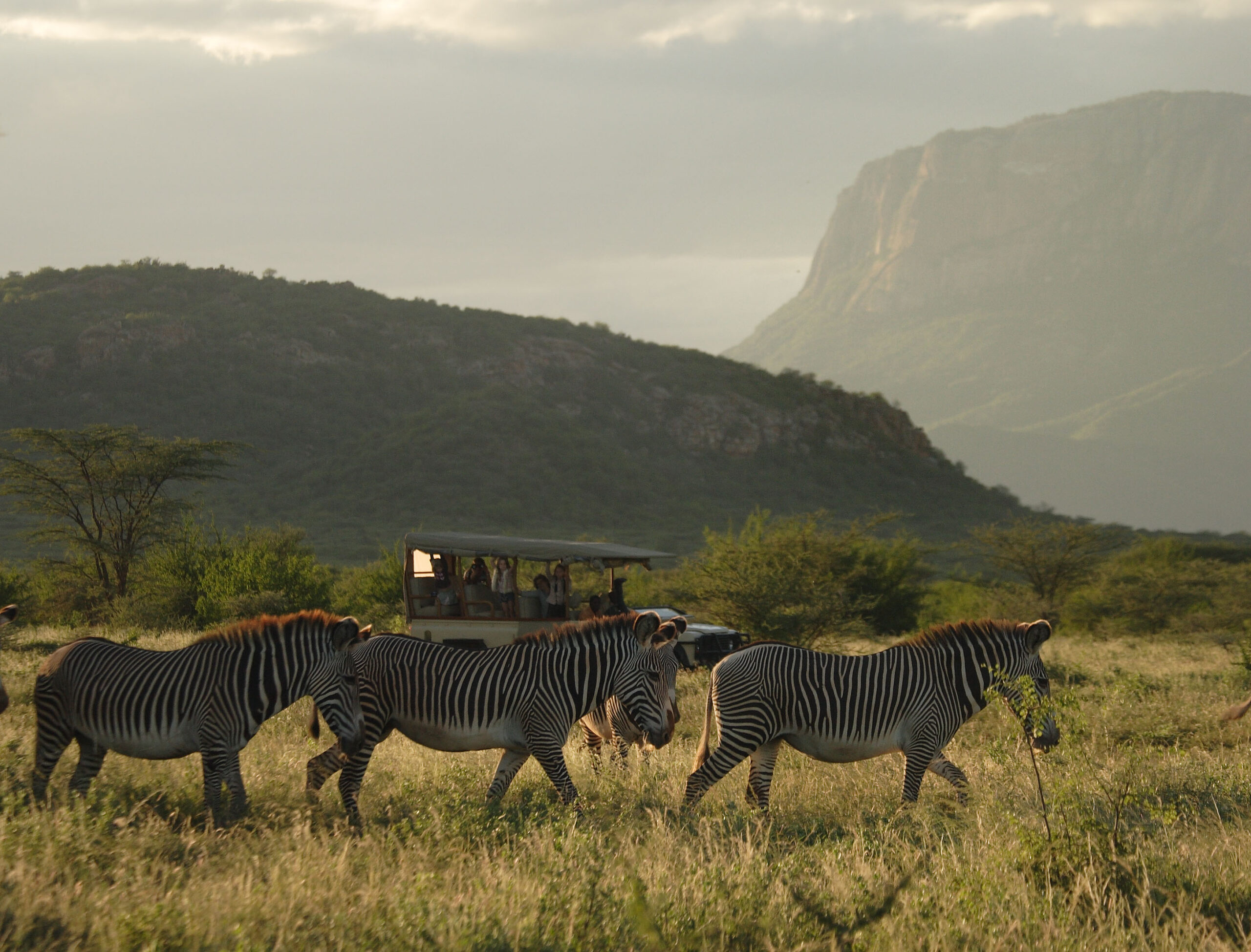
Stand next to a Grevy’s and a common zebra side by side and the differences are immediate. The Grevy’s is larger, broader in the belly, with a rounder, more donkey-like head and ears that sit wide and tall. Its stripes are narrow and tightly packed, running in dense parallel lines against a coat so white it almost glows in the morning light. The belly is white and unstriped, a clean break from the pattern above.
But what strikes most guests is the face. There is something dignified about it. The Grevy’s does not have the nervous energy of the common zebra. It stands its ground and looks back at you instead of running away.
It is also one of the most endangered zebra species on earth. To have over 2000 here at the northern Kenya, in this landscape, living an unhurried life, is not something we take lightly.
4. The Beisa Oryx
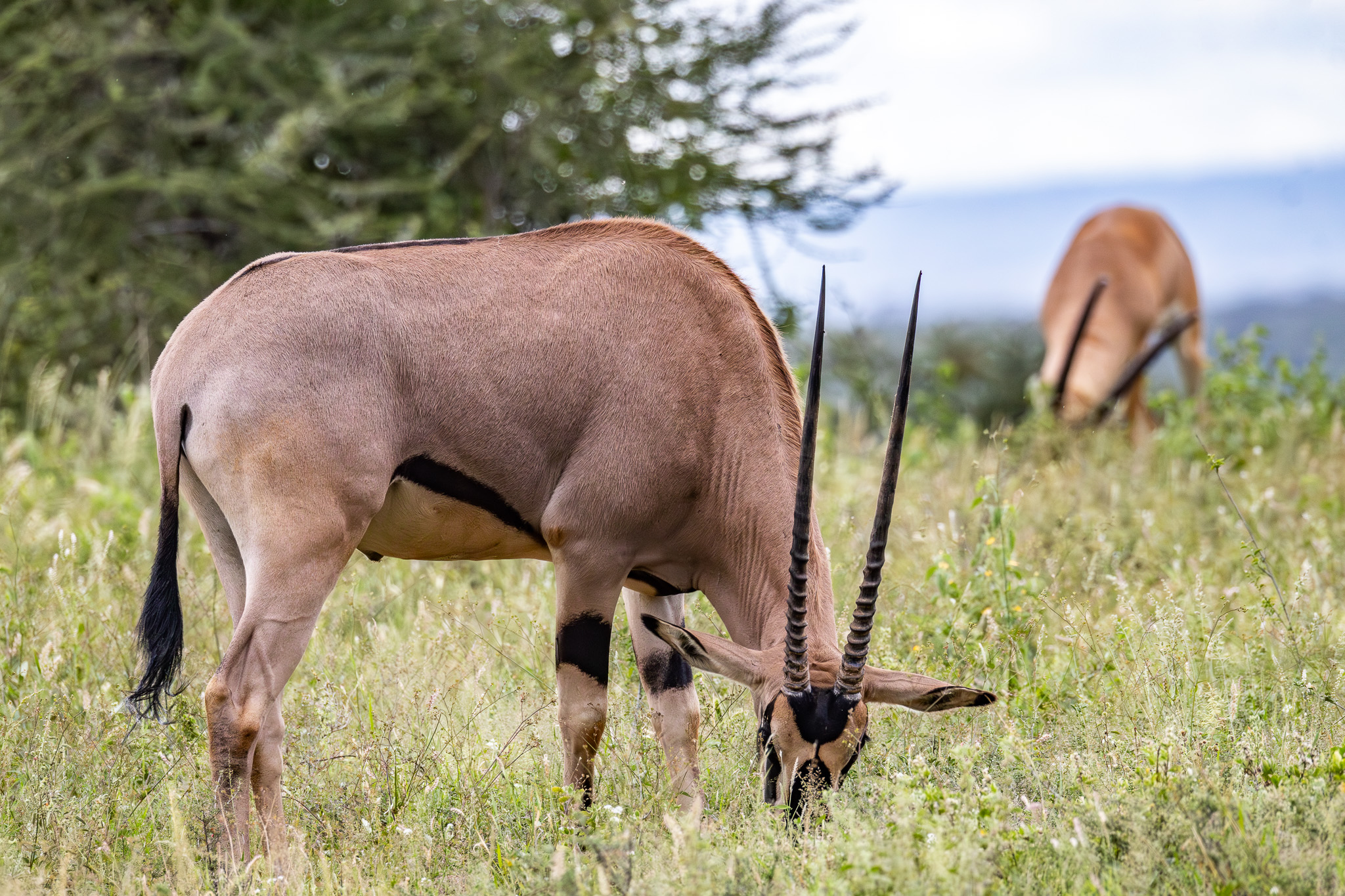
The oryx is the animal we use to explain Samburu to people who have never been.
Pale silver-fawn, almost grey in the midday light, it has a white underbelly and sharp black markings on the face and flanks. Its long, straight horns rise in near-perfect symmetry and can exceed a metre. Seen in silhouette, they can look like a single horn.
We watch guests find them in the heat haze of Northern Kenya’s lowland plains ; a herd standing still, facing into the wind, horns raised and something shifts in their expression. The oryx does not panic at the approach of a vehicle. It assesses, then it decides whether you are worth its attention.
5. The Somali Ostrich
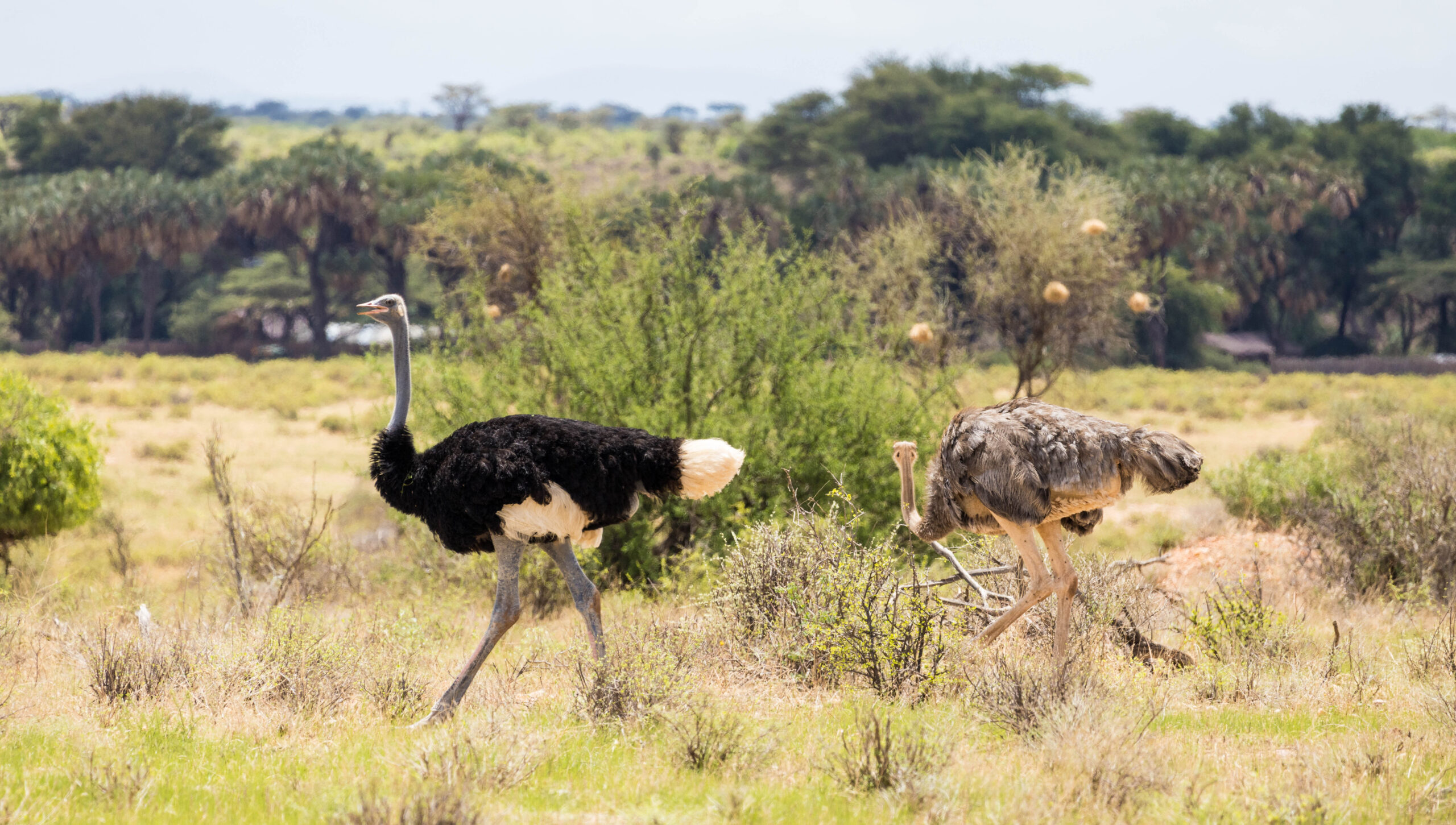
The ostrich is not an animal most people put on their list. They have seen ostriches. They know what an ostrich looks like, but the Somali ostrich, one of Northern Kenya’s most visually arresting residents, is quite the animal.
The male carries a blue-grey neck and legs; a vivid, almost improbable blue grey, the colour of a dawn sky, that sits in extraordinary contrast to the pale ochre scrubland around it. The common ostrich’s neck is pink while the Somali’s is blue.
In the dry season, when the landscape is bleached and still, a Somali ostrich male in full colour is one of the most visually striking things this landscape produces. This is the only species whole male is more attractive than its female counterpart.
It also has a character to match. It strides through the open plains with a magnificent indifference to everything around it. We have witnessed lions giving way to an ostrich in full stride.
Small Things, Equally Important
The Samburu wildlife is not measured only in giants. The landscape that produces the special five is the same one that hides creatures so small, so perfectly adapted, that most visitors walk past them without a second glance.
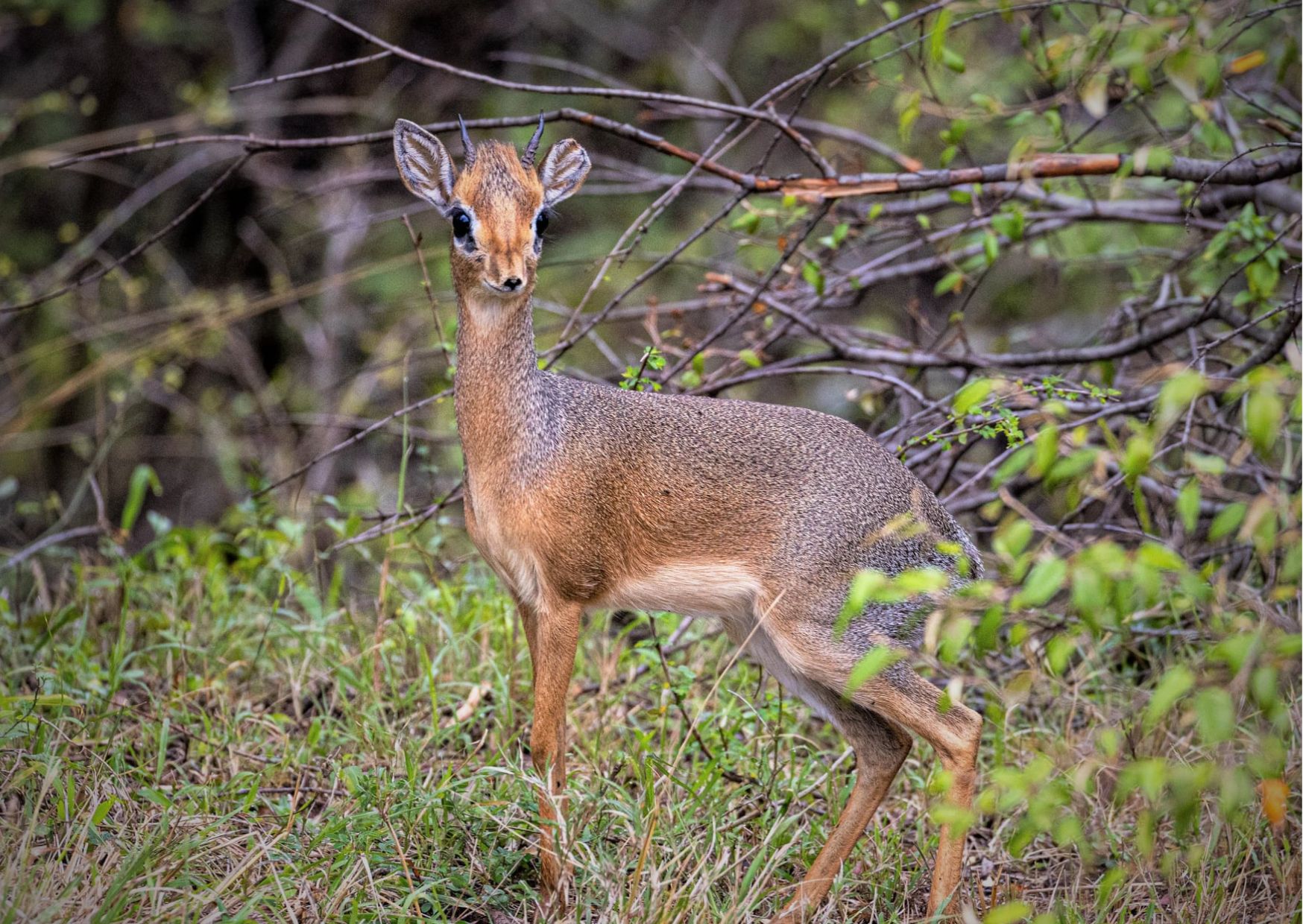
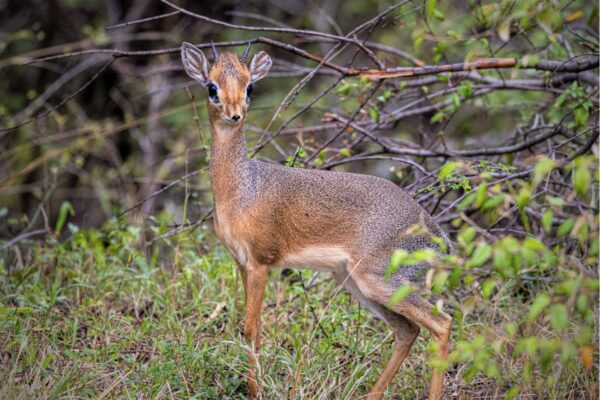
The Dik-dik is one of the smallest antelopes in the world, barely knee-height, with enormous eyes adapted for night vision and a name derived from the alarm call the female makes when startled. They pair for life not only as a romantic notion, but as a survival strategy, holding and defending a small territory together. When one dies, the other starves itself to death.
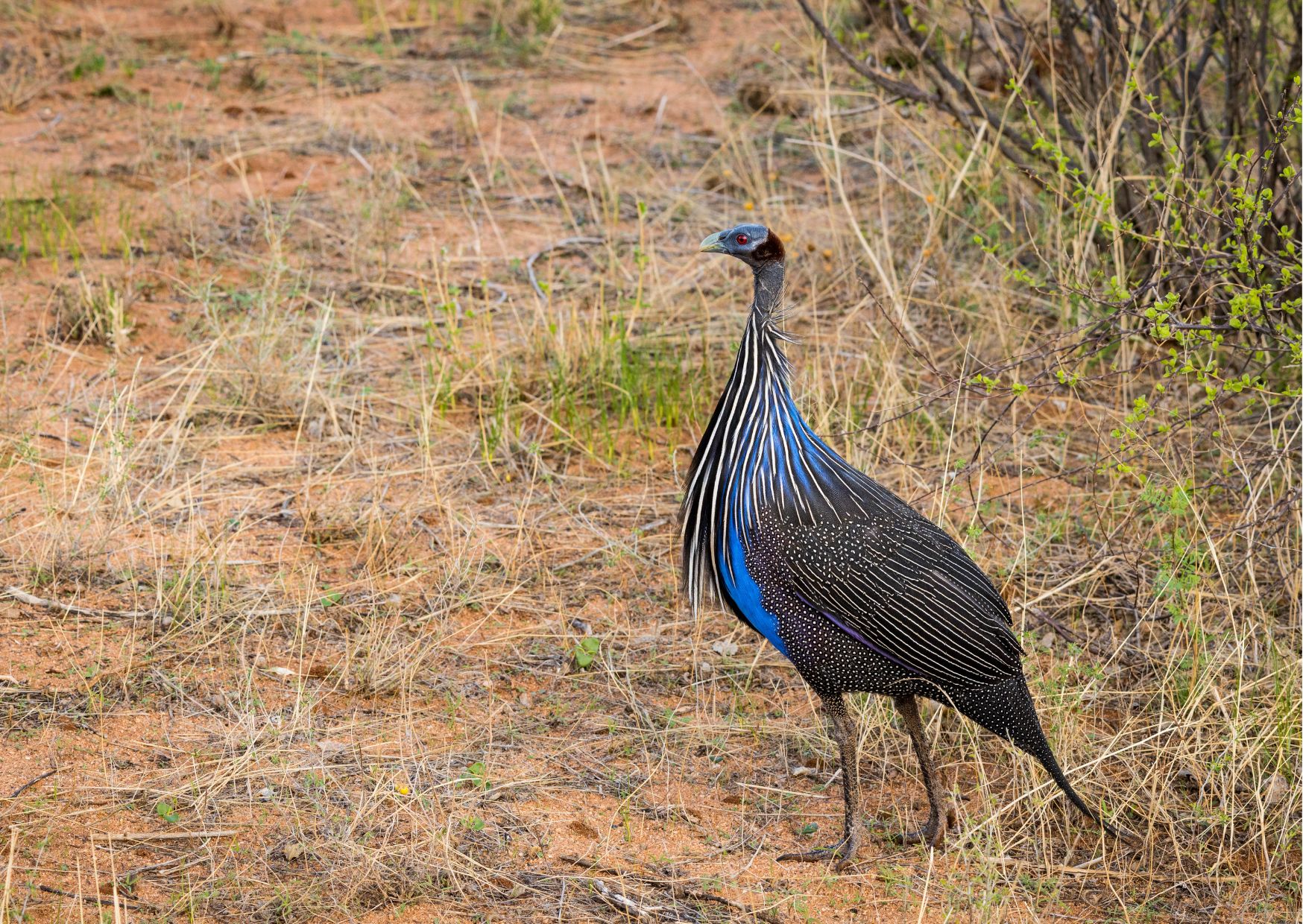
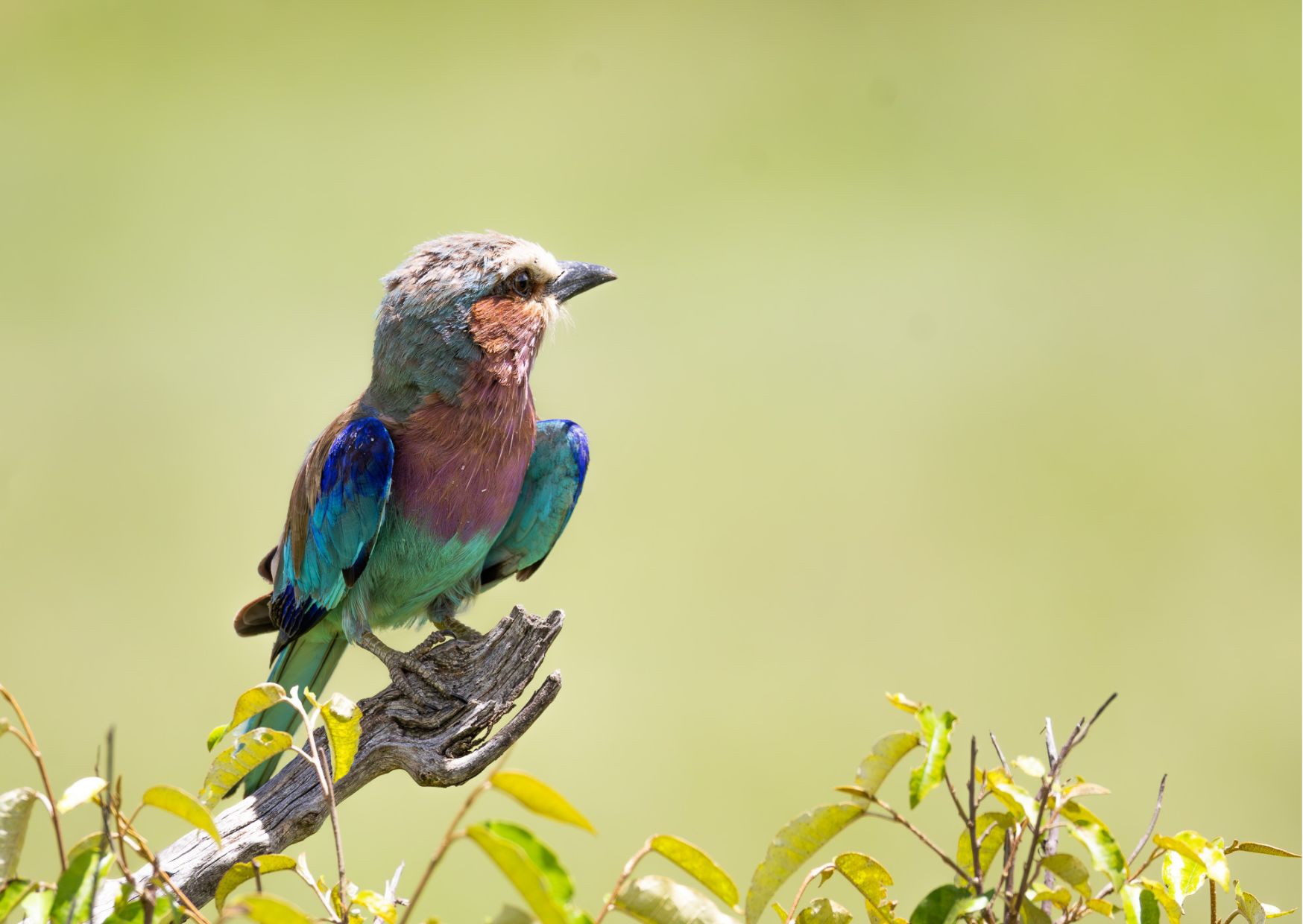
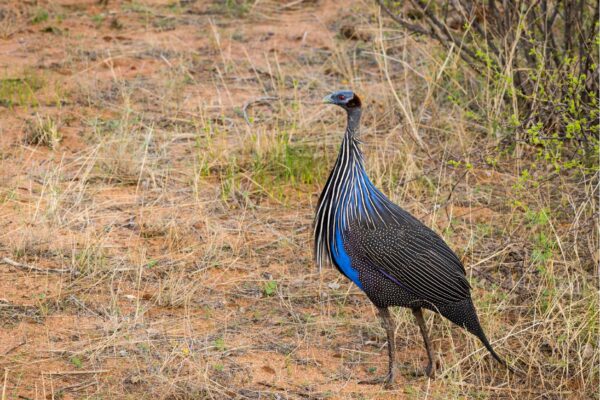
Birdwatchers come to Samburu with long lists and leave needing longer ones. The Vulturine Guineafowl is a riotous bird, electric blue at the chest, its appearance entirely at odds with the dun-coloured landscape it inhabits. The Lilac-breasted Roller also known Kenya’s national bird; banks and turns in the thermals above the plains, its colours so improbable that first-time visitors often assume they have misidentified it.
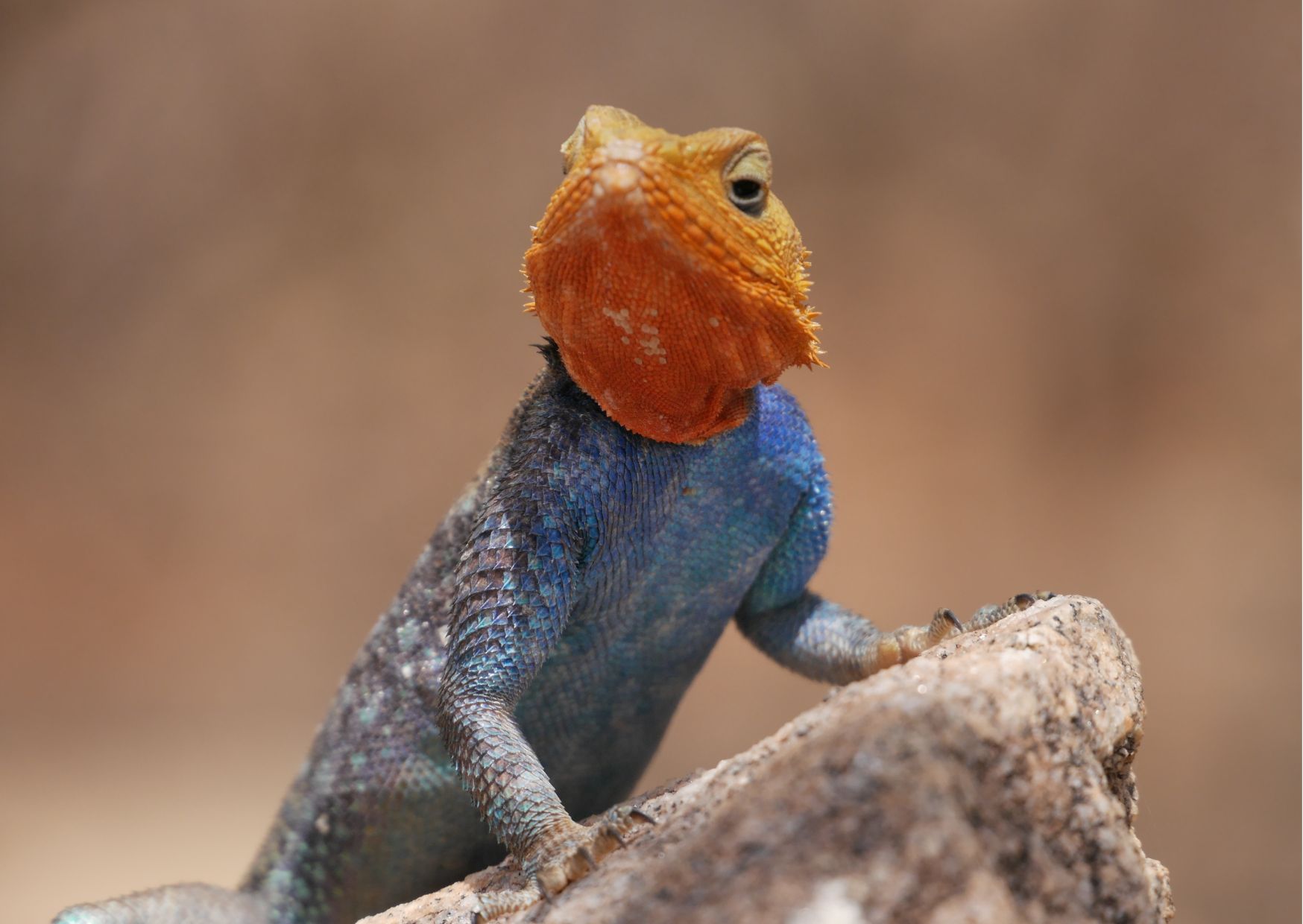
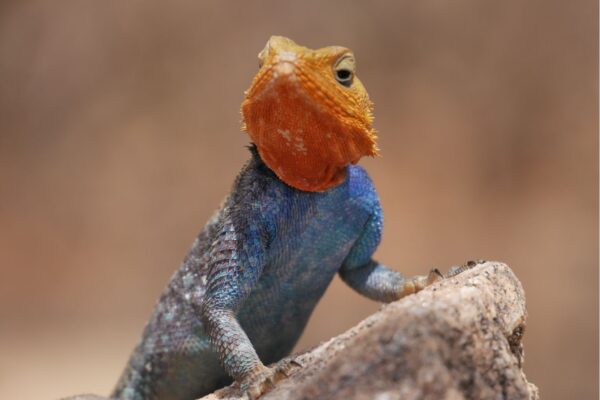
Then there is the Red-headed Rock Agama lizard that stops cameras mid-game drive. The dominant male carries a blazing orange-red head and an electric blue body, perched on a rock or branch with the composure of something that knows exactly how extraordinary it looks.
The Little Five; Elephant Shrew, Ant Lion, Rhinoceros Beetle, Buffalo Weaver and Leopard Tortoise, are the counterpoint to the more celebrated special five giants. Learning to find them is a different kind of game viewing, one that requires a different quality of attention: slower, lower, closer to the ground, probably on a walking safari.

When our guests often ask what makes the northern different, they expect us to talk about the landscape; Mt. Ololokwe, river Ewaso Nyiro, the wide open skies. And yes, all of that is true.
But the honest answer is, these special five animals in the Northern’s wilderness did not adapt to a landscape like this one, they adapted to this one specifically. They belong here in a way that is not interchangeable with anywhere else.