

Women have always been here.
In the kitchen that sources from the land, on the game drive that changes how guests see the world, at the gate before the sun rises and behind the desk where decisions are made, building pipelines that hold everything together.
At Saruni Basecamp, conservation has many faces and some of its most powerful ones belong to the women who show up every single day for the wild we call home.
Here are some of their stories:
Sustainably Bold: Miriam, the Woman Making Purpose Tangible
There is a particular kind of leader who looks at a system, sees what is missing, and simply builds it. Miriam is that kind of leader.
As Chief Operating Officer, Miriam oversees operations across all thirteen of our camps. Working closely with camp managers, she ensures the systems, standards and people in place deliver on everything we promise our guests. That alone would be enough.
But Miriam has never been someone who does just enough.
She is the architect of our sustainability agenda and like any good architect, she has never built alone. Working alongside a team that shares her conviction, she has turned conservation into a structure we are all held accountable to.
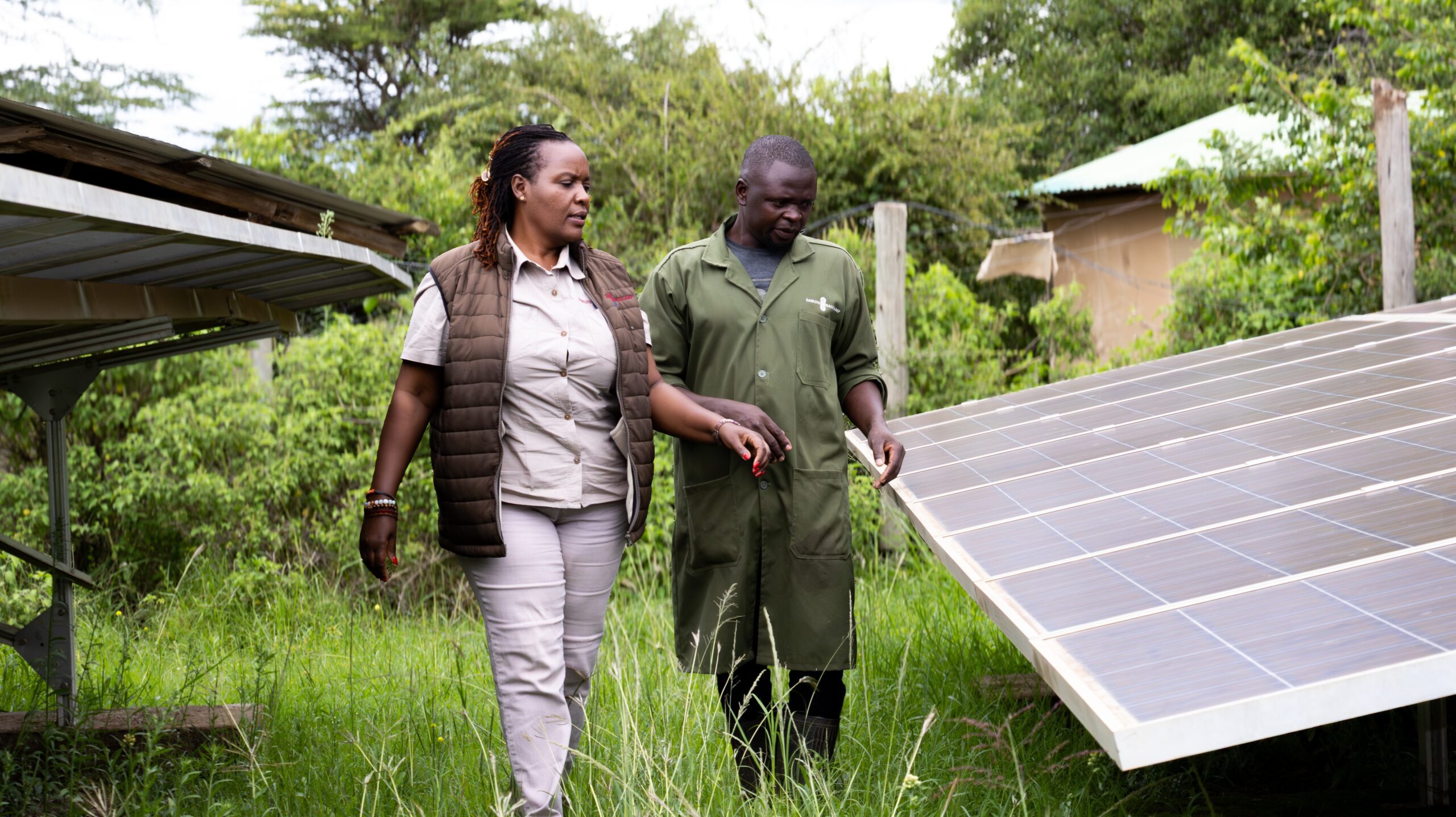
Together, they championed our B-Corp certification process, a rigorous process that measures a company’s impact on people, communities and environment. Currently, ten of our camps hold Gold Eco-Rating status from Ecotourism Kenya, and some have gold and silver accreditation from the Tourism Regulatory Authority, reflecting our strive to world-class hospitality delivered in harmony with nature and community.
Miriam led the company to become a signatory of the Glasgow Declaration on Climate Action in Tourism and the first Group member of The Long Run. She is currently guiding the team through the GER certification; which, if achieved, will make us the first group in Kenya to do so.
But what moves us most is not the certifications. It is what she has done for people.
She founded our Edu-Care initiative which began as a simple idea but now sees our teams coordinate over US$7,000 worth of school supplies annually.
She then went further and founded crèches in select camps, making us the first safari company in Kenya to do so, giving mothers on our team the peace of mind to show up fully at work.
Miriam also established the Saruni Basecamp Academy, which is now on Cohort 7. The programme has trained over 200 interns with an 80% employment absorption rate. Our Personal Development Programme has seen careers that began in kitchens and on game drives, grown into leadership because she helped build the pathways and people chose to walk them.
And then there are the Saruni Basecamp FC, born from her understanding that the best teams are not only built in boardrooms, but also in the laughter and camaraderie of shared experiences.
Miriam’s story is instructive. She reminds us that sustainability is not a department. It is a set of choices embedded in daily our operations, opportunities given to staff, communities that surround us, and standards we set for every guest experience.
In other words, sustainability is built the same way great hospitality is delivered; deliberately, consistently, and with people at its centre.
From Patrol to Preservation: Justina in Action
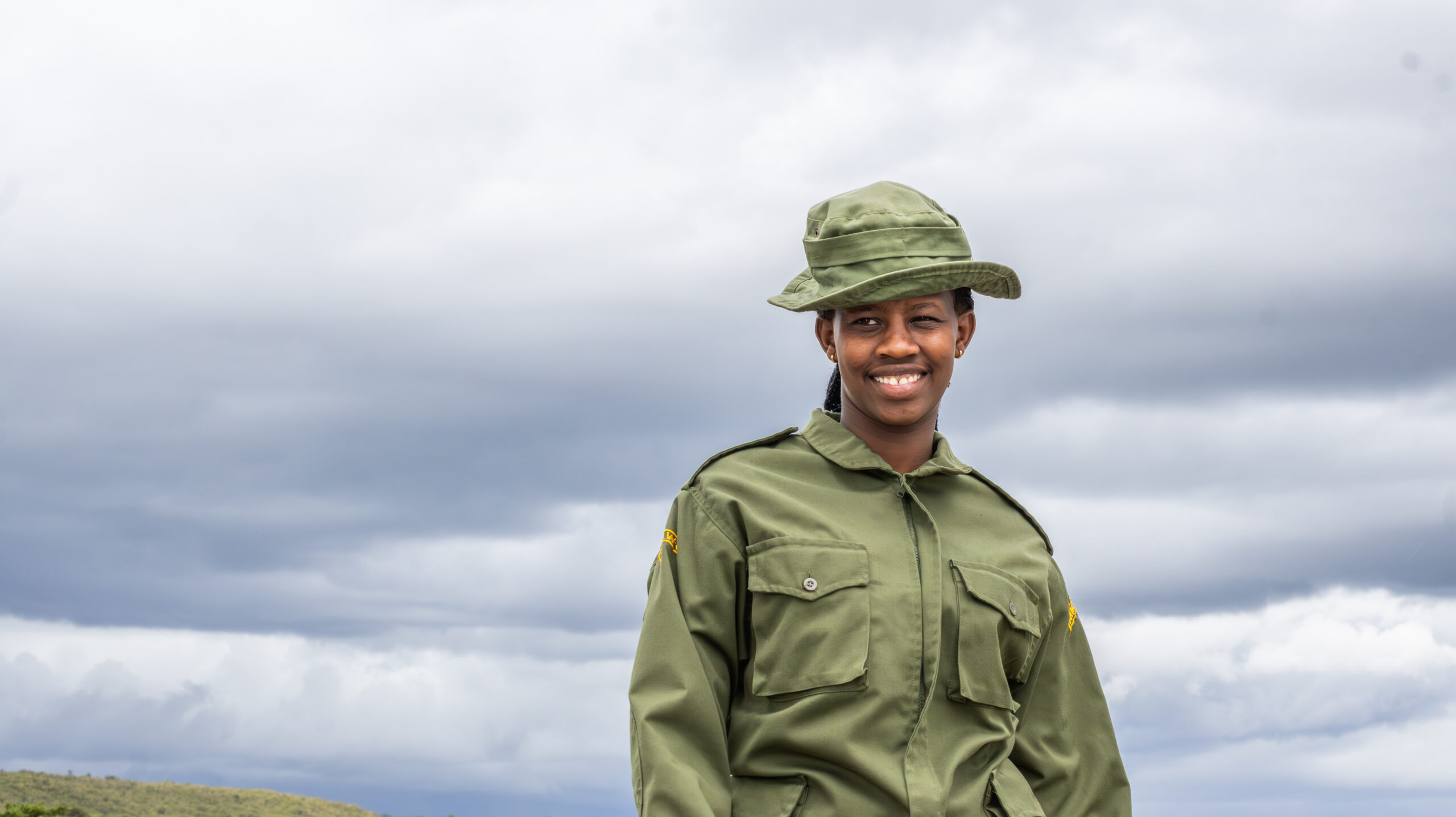
There was no grand plan. No moment where the path ahead was clear and certain but Justina saw an opportunity and walked towards it.
Born and raised in the Maasai Mara, she grew up alongside the wild the way most children grow up alongside neighbours. Familiar. Close. Quietly shaping her. When the opportunity to become a ranger presented itself, her family didn’t approve. The work was physical, demanding, and in their eyes, not built for a woman. Justina heard all of it and went anyway.
Today, she patrols Naboisho Conservancy with the quiet authority of someone who has long since stopped waiting for permission.
Her days begin before most people open their eyes. Out in the field at first light, she checks on the animals; monitoring their health, treating the sick ones, and making sure nothing and no one is disturbing the natural rhythm of the wild.
She ensures grazers stay within their designated areas, maintaining the delicate balance that keeps the ecosystem intact. It is meticulous, physical, deeply important work. And she does it knowing she has to show up twice as strong, simply because she is a woman.
But that same reality has become one of her greatest contributions.
In a team that was once entirely male, Justina’s presence has opened a door that conservation didn’t know it needed. There are things women experience that they will never share with a male colleague; concerns, vulnerabilities, moments that require a particular kind of trust.
Justina holds that space. She manages those conversations with care, becoming a bridge between the women in her community and the conservation work that affects their lives.
Her family’s relationship with the wild has shifted too. They are now leasing part of their land to be used as conservancy, a decision that speaks louder than any argument Justina could have made with words.
When young people ask her what it takes, her answer is simple and unwavering. No dream is too wild for the wild. She never said it would be easy. She just said it was possible. And every morning in Naboisho, she proves it before the rest of the world wakes up.
Elevating Local Flavors from Soil to Supper – Meet Grace our Sous Chef
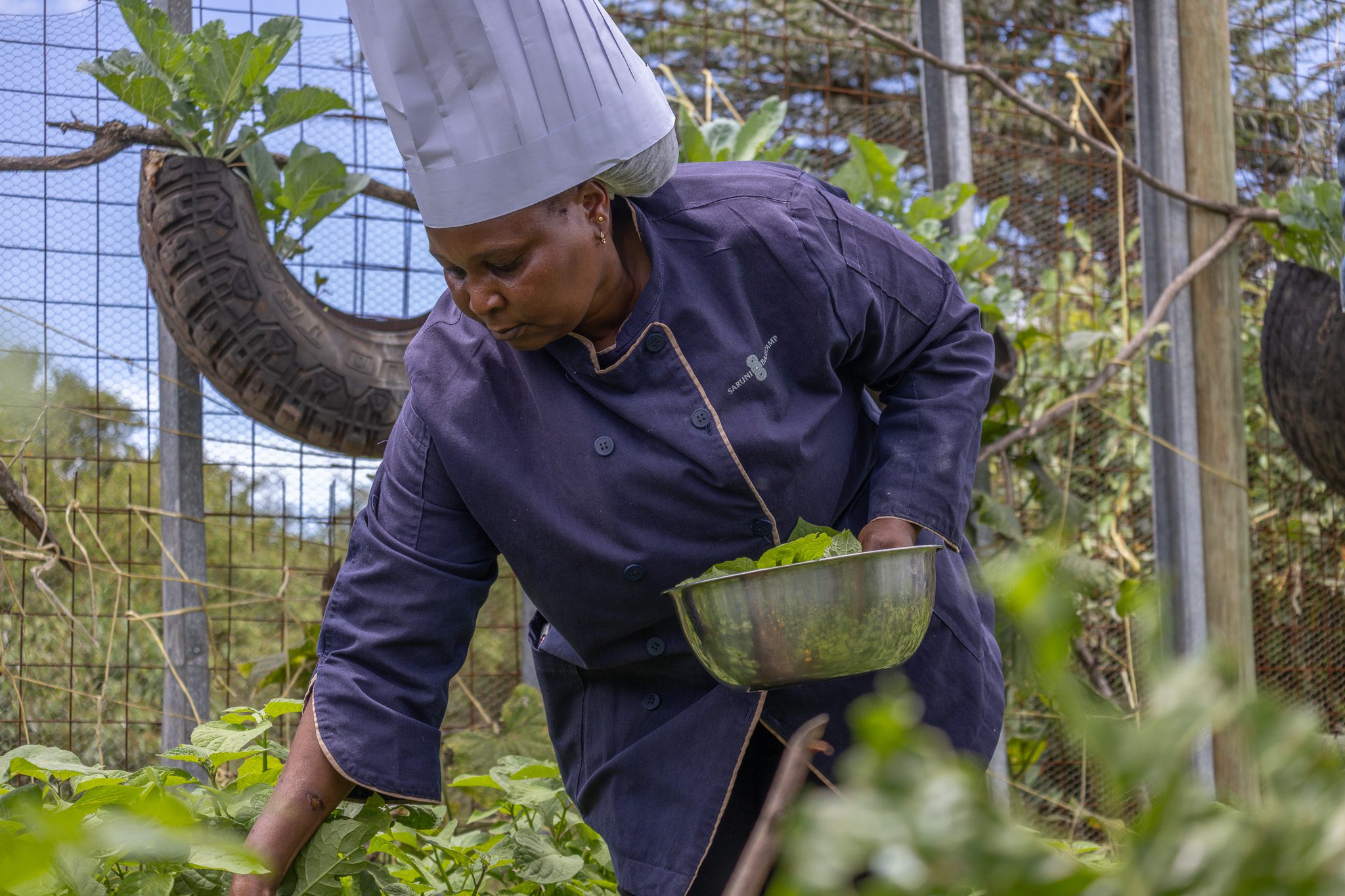
For Grace, work begins at the shamba, at the local market, and in conversation with the farmers who grow what she cooks. Every ingredient has a story, and every meal she prepares is a quiet, deliberate act of love for the land around her.
Having brought up in Kitui County, shaped by the semi-arid landscape, she learnt resilience before she even had a word for it. The drylands of her childhood gave her a deep, intuitive understanding of ecosystems, especially water, and what it means to protect the things that sustain us.
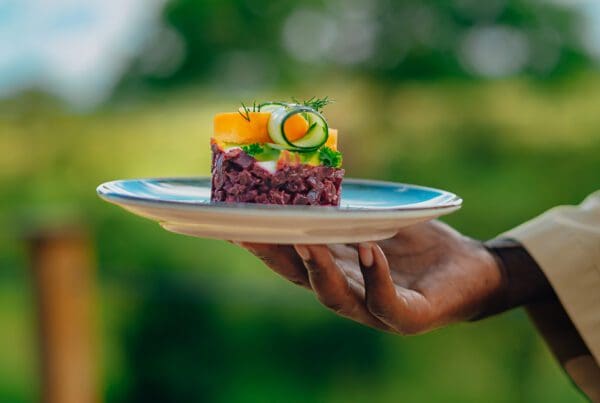
At Saruni Eagle View where she’s our sous chef, her kitchen is a bridge between the wilderness outside, and the people gathered around the table. When guests sit down to eat, they are tasting a landscape and they don’t even know it.
Bush cooking, she will tell you, makes her feel part of nature. In the city, ingredients arrive without context, without history. Here, everything has a source, and Grace knows every single one.
“When the wilderness disappears, the animals lose their habitat. The food chain collapses. There is no water filtration, no clean air, no climate balance,” she says. “I am part of this system. And I take that seriously.”
For Grace, her role has always been bigger than the kitchen, supporting local farmers, managing resources, keeping the ecosystem intact. A food chain that holds because someone decided to pay attention.
In a field where conservation heroes are often pictured out in the wild, Grace reminds us that the work also happens over a chopping board, one locally sourced, intentionally prepared meal at a time.
Damaris: Turning Every Track into a Tale

Born in Maasai Mara where the wild begins, Damaris was raised right on the border of the National Reserve where she grew up with wildlife as her neighbour and the open savannah as her backyard.
It wasn’t until she watched a few women step into a role the world had reserved for men that something shifted inside her and she decided she would become a safari guide.
Her family didn’t believe it was possible, neither did her community. Tour guiding was a man’s world, and nobody was shy about saying so. But Damaris had already seen what was possible, and that was enough to enrol herself in World Tourism College and study tour guiding.
She loves that her work isn’t repetitive. Every drive is different, every guest brings a fresh set of eyes, and every animal encounter writes its own story. But nothing quite compares to introducing someone to nature for the very first time and watching curiosity ignite in a guest who has only ever seen the wild in photographs, seeing them realise that nature isn’t a screensaver.
Being a female guide in a male-dominated profession is both challenging and deeply rewarding. There are guests who arrive with quiet doubts, especially those who have only ever been guided by men. Damaris meets those moments not with words, but with her work. She has come to understand that women bring carefulness, a patience, an attentiveness that shows up in the small details.
For Damaris, guiding was never just about spotting the Big Five. It is about shaping how people see and value nature. When guests watch wildlife in its natural home, an emotional connection forms, and from that connection, conservationists are born.
Since stepping into this role, she has watched her community shift too. Girls who once thought guiding was out of reach now see someone who looks like them leading vehicles full of international guests through one of the world’s greatest wildlife destinations.
Guarding the Present, Pioneering the Future – That’s Angelina
The sun is yet to touch the horizon when Angeline Lolchuragi begins her patrol.
Her footsteps are purposeful, her eyes scanning the landscape for anything unusual. In the growing light, you might catch a glimpse of her; torch in hand, radio at her hip, moving with the quiet confidence of someone who knows exactly what she is protecting and why.
She is the only woman on our security team. But that is not what defines her. What defines her is the calm authority she carries, the respect she has earned through dedication and skill, and the path she is quietly carving for every woman who will come after her.
Born into a community where tradition runs deep and certain roles have long belonged to men; Angeline chose a different direction. Her community once discouraged women from wearing trousers, let alone taking on work it considered a man’s domain. Yet she has always believed that strength and dignity are not measured by clothing or conformity and certainly not by gender.
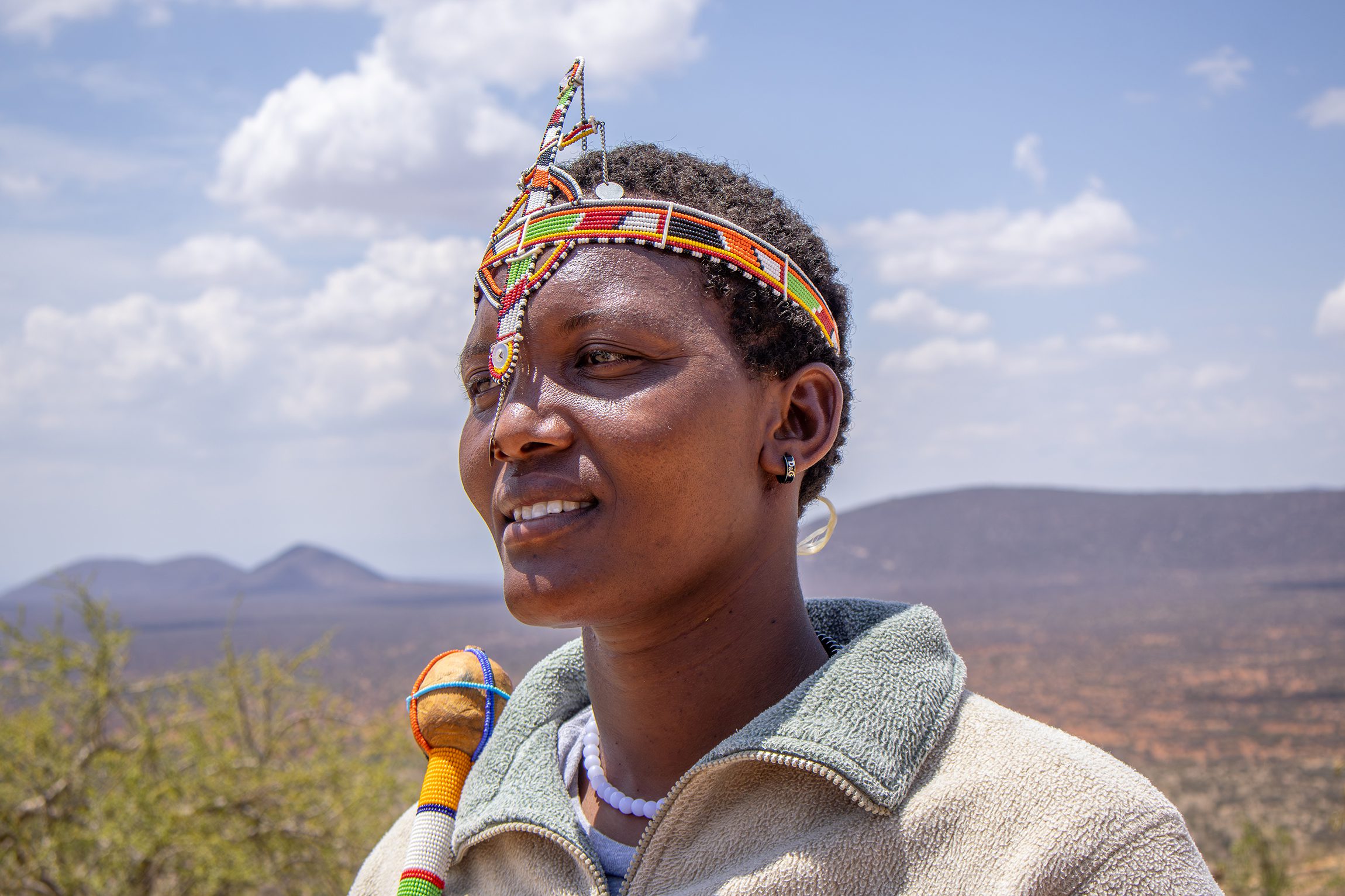
At Saruni Basecamp, her role sits at the very heart of conservation. Protecting the wilderness means protecting the people and the land within it. Each day, Angeline oversees camp safety, monitors personnel, manages incidents, and responds to emergencies.
Her vigilance is part of what allows guests to sleep soundly in their tents, enjoy breakfast deep in the bush, and immerse themselves fully in the wild without a worry in the world.
But her contribution goes beyond security protocols. She notices what others miss; emotional cues, subtle shifts in community dynamics, the kind of quiet details that require a particular kind of attention.
There was a moment when she identified a potential security concern that others had dismissed. Her instinct prevented what could have been a serious incident. It was a moment that validated not just her skills, but the power of bringing diverse perspectives into every team.
At home, her journey has required patience too. Her husband respects her independence, though he is still adjusting to the reality of his wife working in such a demanding field. She navigates that with the same grace she brings to everything else.
But perhaps what drives her most is what she is showing her two daughters that glass ceilings are not permanent, and that the courage to break them is one of the best inheritance a mother can leave behind.