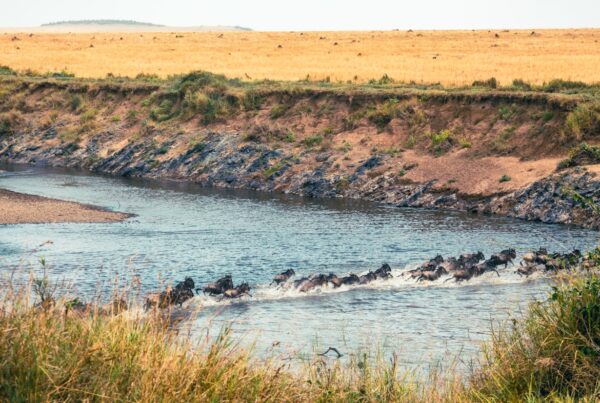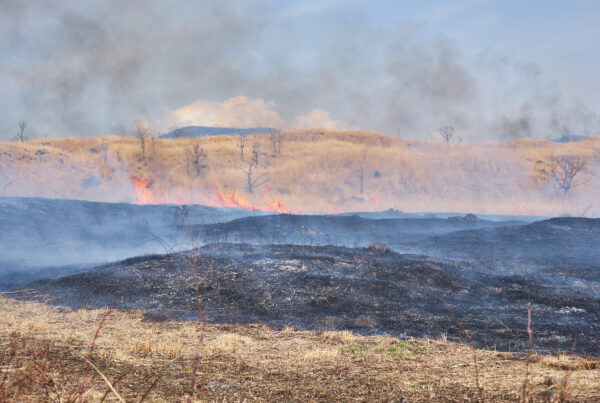


Some travellers seek out a stretch of Caribbean sand to sink into while others measure a trip in landmarks ticked off, or in bowls of ramen slurped down a Tokyo side street. Here in Samburu, we climb Mt. Ololokwe.
Sacred to the Samburu people, it is one of the finest ways we know to clear our minds and fill our memory cards at the same time. From Basecamp Samburu and Saruni Samburu, it’s a gentle 45 minutes and 55 minutes respectively to Namunyak Conservancy, where the mountain stands watch over the Northern Frontier.
As day climbers, we set off at around 5am, so that our boots were on the trail by six. If you’re going for an overnight stay, a 2pm start is preferred, once the worst of the heat has eased.
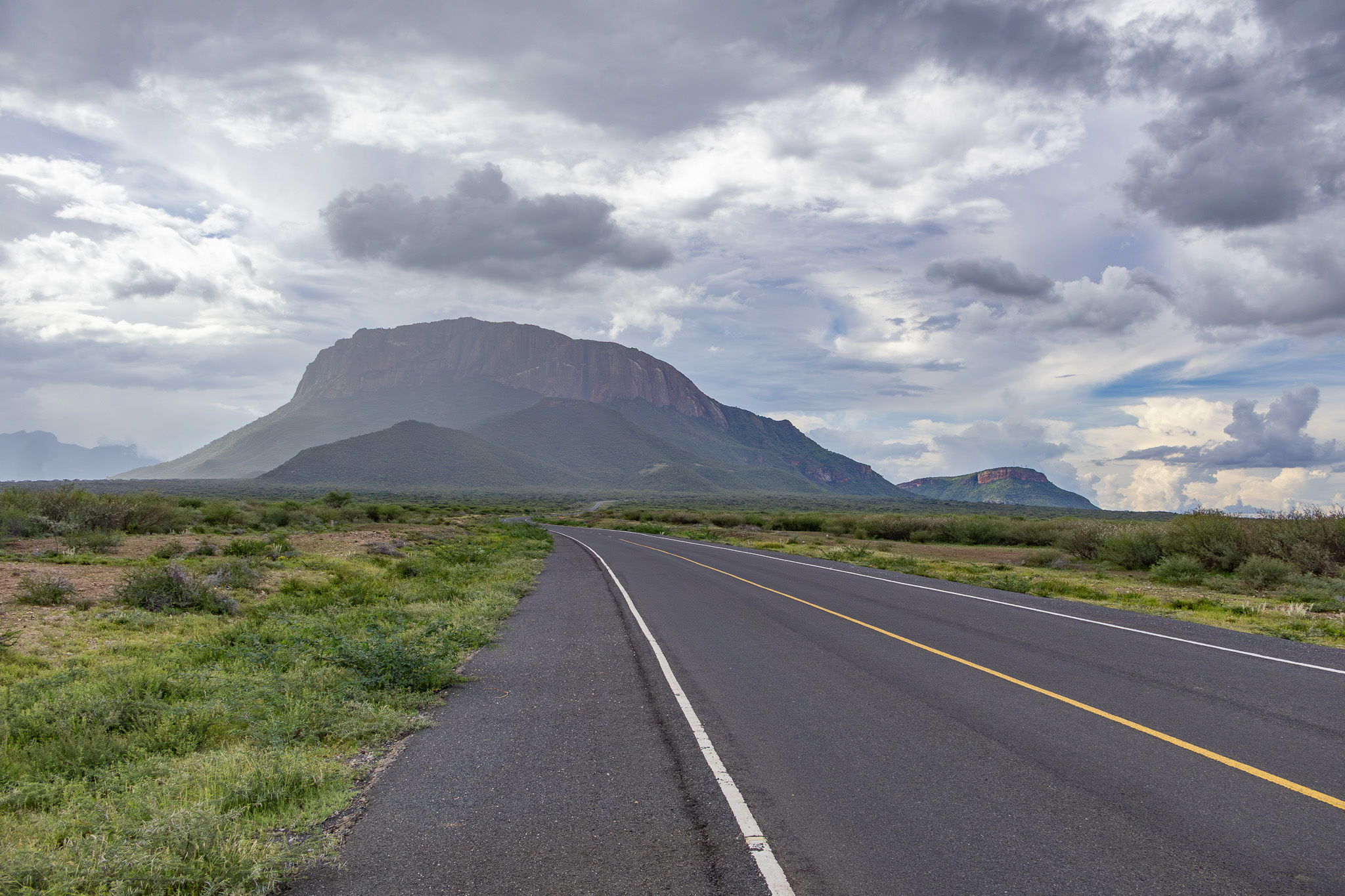
From camp, we drove for about 20 minutes before joining the Nanyuki – Marsabit road northwest of Archer’s Post. We then veered off the main road onto a dirt track threading through a forest of acacia tortilis, their branches heavy with a sweetness you can smell from afar. By the time we reached the base, the day felt like it had been waiting for us to begin.
We jumped off the jeep as soon as the engine went off and did a quick pretend stretch, picked up our drinks, food and cameras, and readied ourselves for the journey ahead.
The path opened with a steep, rocky scramble through thorny bushland, an armed ranger and Samburu guide falling into step beside us. It was anything but an easy beginning, which was our cue to take things seriously.
A Little Steep and Then Some

“Are we there yet?” We asked this question more times than the children in the nursery rhyme. Every time, our guide answered “almost”, and we wondered amongst ourselves if the meaning of the word had changed.
What we loved most about Mt. Ololokwe is how little patience it had for staying the same. A sharp corner here, an extreme slope you wouldn’t imagine you’d manage there, a four-year-old shepherding a herd of 20 cows, watering points, endless flocks of sheep and goats, cycads, cedar, wild olives, dry mounds of dung, footprints from other wild animals, and so on.
It was so hard to keep track of everything because we were trying not to lose our breath, but our knowledgeable guide kept updating us every step of the way.
We climbed the eastern slope along paths worn smooth by decades of feet, pausing often to drink water and take in views that keep insisting on being looked at. The mountain keeps its own records too; bark stripped clean from trees by elephants who, by every law of physics, shouldn’t manage these slopes but to our surprise they do.
By the time we passed three resting platforms; each giving us a chance to breathe and look back at how far the plains have fallen away, the trail folded into forest, then opened onto more fields where Samburu cattle grazed, unbothered by our presence.
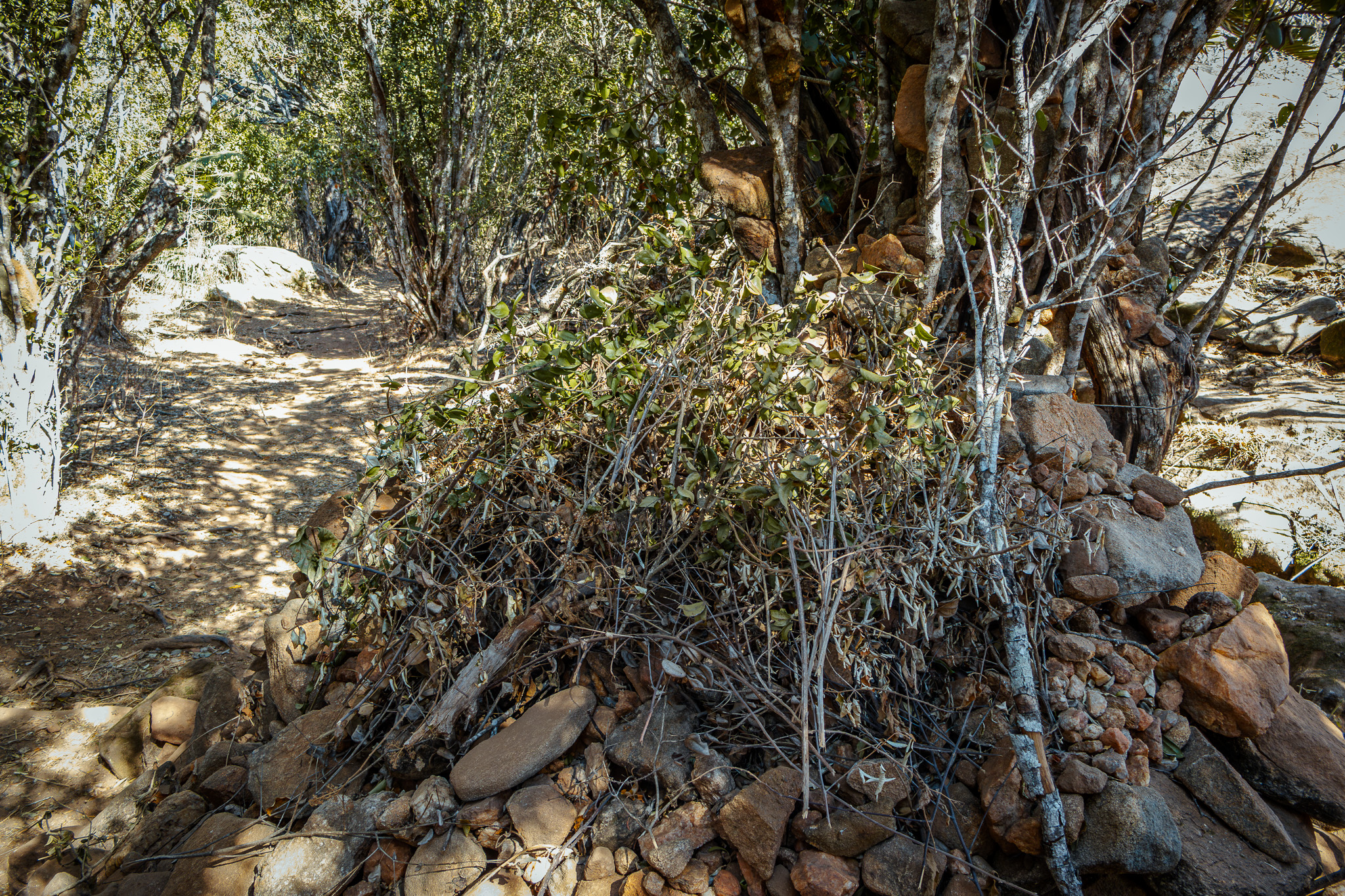
Somewhere in the forest, we came across a small hill made of stones. Our guide told us hikers make silent wishes over stones before adding them to the pile, making sure they don’t fall away, and those wishes will come true. We obliged because after everything we’d experienced, it was hard not to believe in the sacredness of Mt. Ololokwe.
After what felt like an eternity, the granite face finally appeared above the tree line, and that’s when we knew for sure the summit was close.
The Summit
Ask any seasoned guide how long the summit hike takes, and you’ll hear “two hours” with total confidence. Believe them at your peril.
Give it four hours and let fitness and pace decide the rest. There’s no prize for rushing a mountain like this one, so we’d advise setting a pace that feels comfortable and leaves room for you to take in the surroundings too.
When we got to the top, we were so enchanted that we didn’t know what to do. It took a couple of minutes before we could decide what we wanted to do first. Rest? Take water? Eat? Take pictures? Let the surroundings consume us?
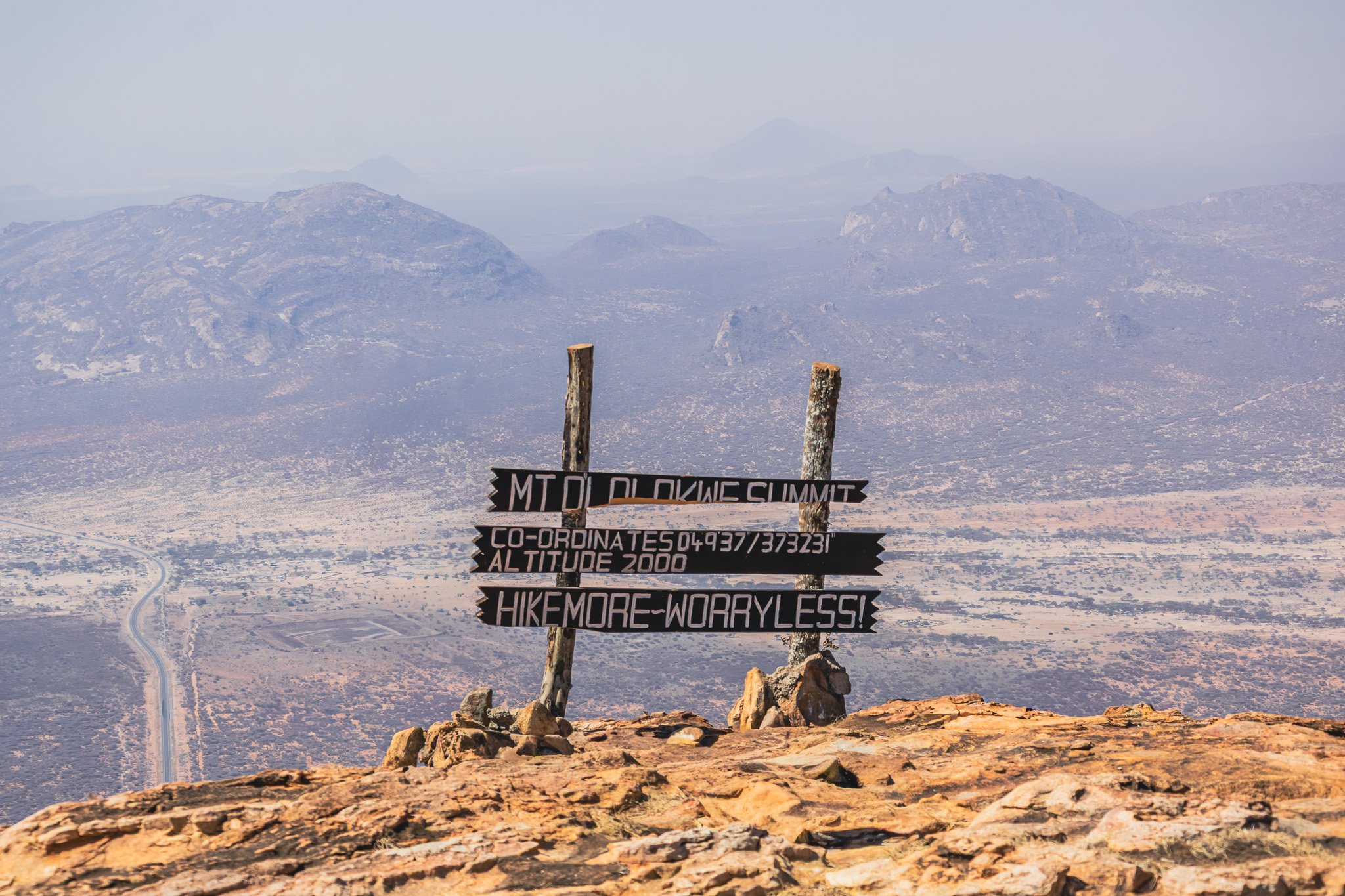
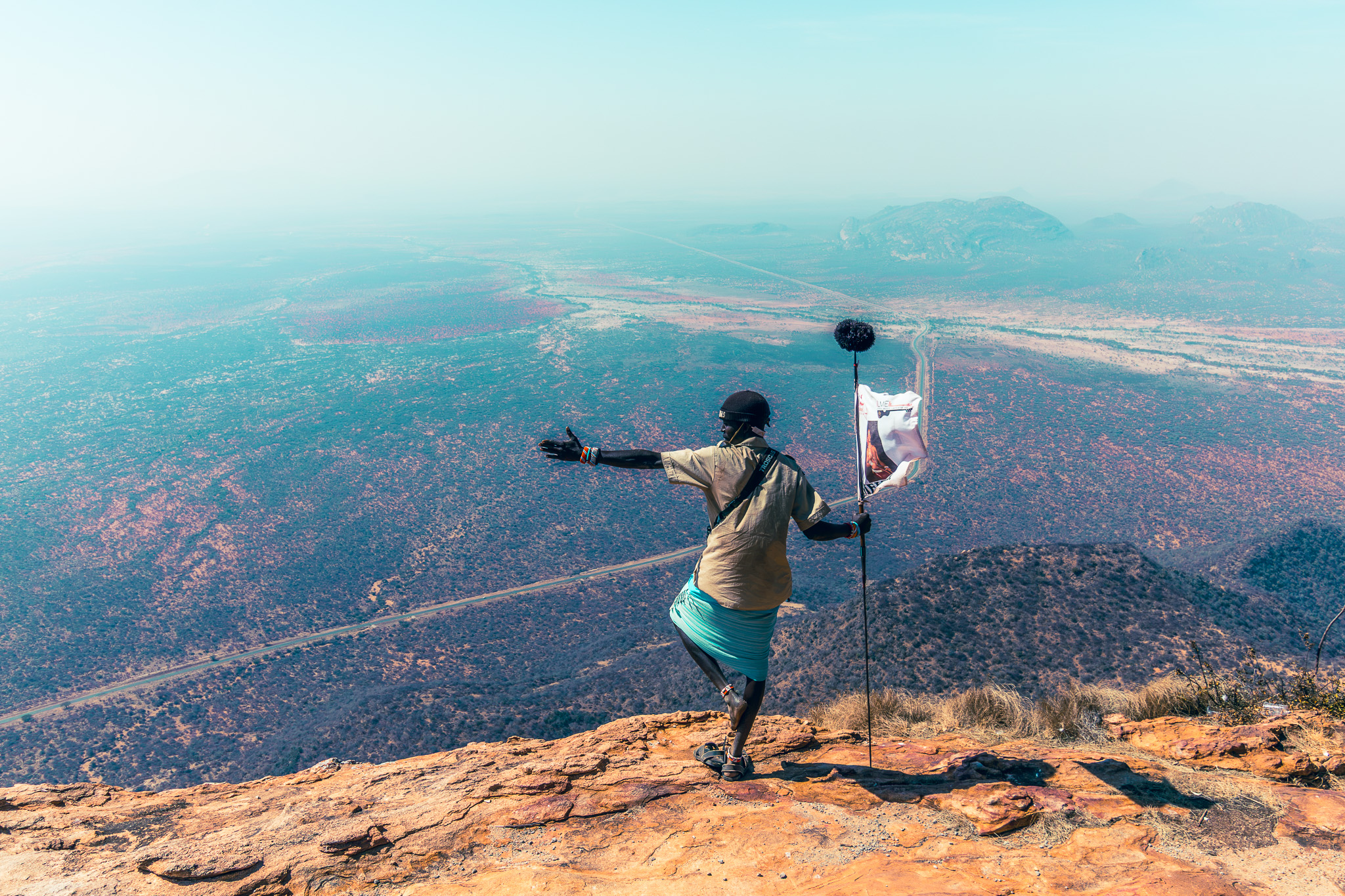
We won’t pretend the view needed much help from us. Sweeping vistas of the Northern Frontier District unfolded in every direction, met by a much-earned breeze. The plains below ran dry and gold, the plateau where we were was green and soft, fed by hidden springs and threaded with small streams.
To our East and the Matthews Range rose in the distance, sharp-edged against the sky. Everything that looked ordinary from ground now seemed remarkable from above including the Marsabit road we’d driven in on.
Birds that usually soared far overhead now seemed close enough to touch. We did everything on our itinerary in no particular order then soaked it all in for a comfortable hour before starting our descent.
The Journey Back
We were grateful the descent, at least, started on a gentler terrain and was a while before it got intense.
By this point there were more herds (and the flies that came with them), more shepherds, a lot of sun and a fresh wave of disbelief as we wondered how we managed the climb in the first place.
We took half the time we climbed to descend which was two hours but just like the ascent, the base kept feeling further away than it should. We didn’t linger because it was looking all familiar now, and we just wanted to get back to the vehicle and call it a day.
So, twenty thousand plus steps, 2000ft of elevation gained, hundreds of pictures and videos, over five liters of water, and six exhausted bodies later, we made it back and couldn’t be prouder of ourselves.
Preparing for the Climb
If summiting Mt. Ololokwe is on your bucket list for when you visit Samburu, here’s a little preparation that we’d tell our guests:
- Build cardio fitness in the week beforehand; walk, cycle, swim…anything that gets your heart working
- Rest fully the day before; save your legs for the mountain
- Increase hydration two days out, and again the night before
- Pause any intermittent fasting a day either side of the climb, so your body has the reserves it needs
- Trim your toenails (your feet will thank you especially on the descent)
- Use the bathroom before you leave especially if you don’t fancy helping yourself in the bush.
And perhaps the most important preparation of all: settle your mind before you settle your muscles. This is a climb that rewards patience with yourself far more than raw fitness.
A Few Practical Notes
Pack light; everything you carry to the top goes on your back or a donkey’s (we didn’t have one but it can be arranged if you wish), so choose wisely. Water and sunscreen are non-negotiable; the sun up there doesn’t do half measures.
Nothing will matter more than the shoes you pick. They will make or break you especially on the descent… so pick a good pair.
Bring layers too. What feels relentless at midday turns sharp and cold once the wind picks up at the summit.
The kindest months to climb are June to September and December to February. We’d steer you away from the rains, when these same paths turn slick and unpredictable.
Ready to Write Your Mt. Ololokwe Story?
Whether you’ve climbed a hundred mountains or none, Mt. Ololokwe has a way of meeting you exactly where you are. Come find out how some views are worth every step it takes to earn them.
Ready to add Mt. Ololokwe to your Samburu journey? Speak to our team about combining the climb with a stay at Basecamp Samburu or Saruni Samburu.