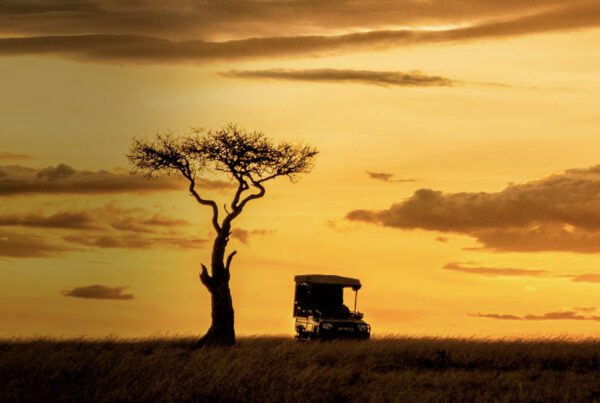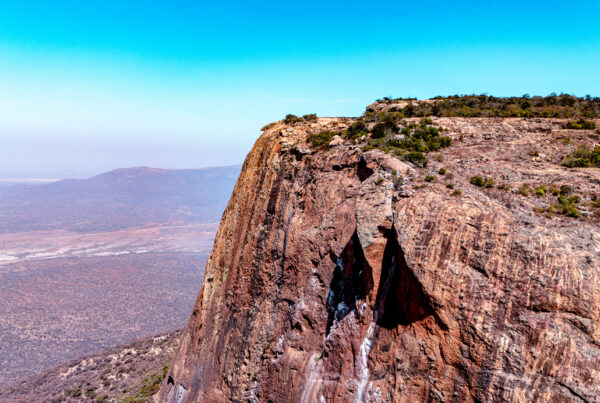


You have just stepped off an overnight flight, the air feels different and the African sun is just cresting the horizon trying to find its feet. There’s barely time to absorb the ambience before a smaller plane, albeit short, carries you low to Kenya’s untamed lush land.
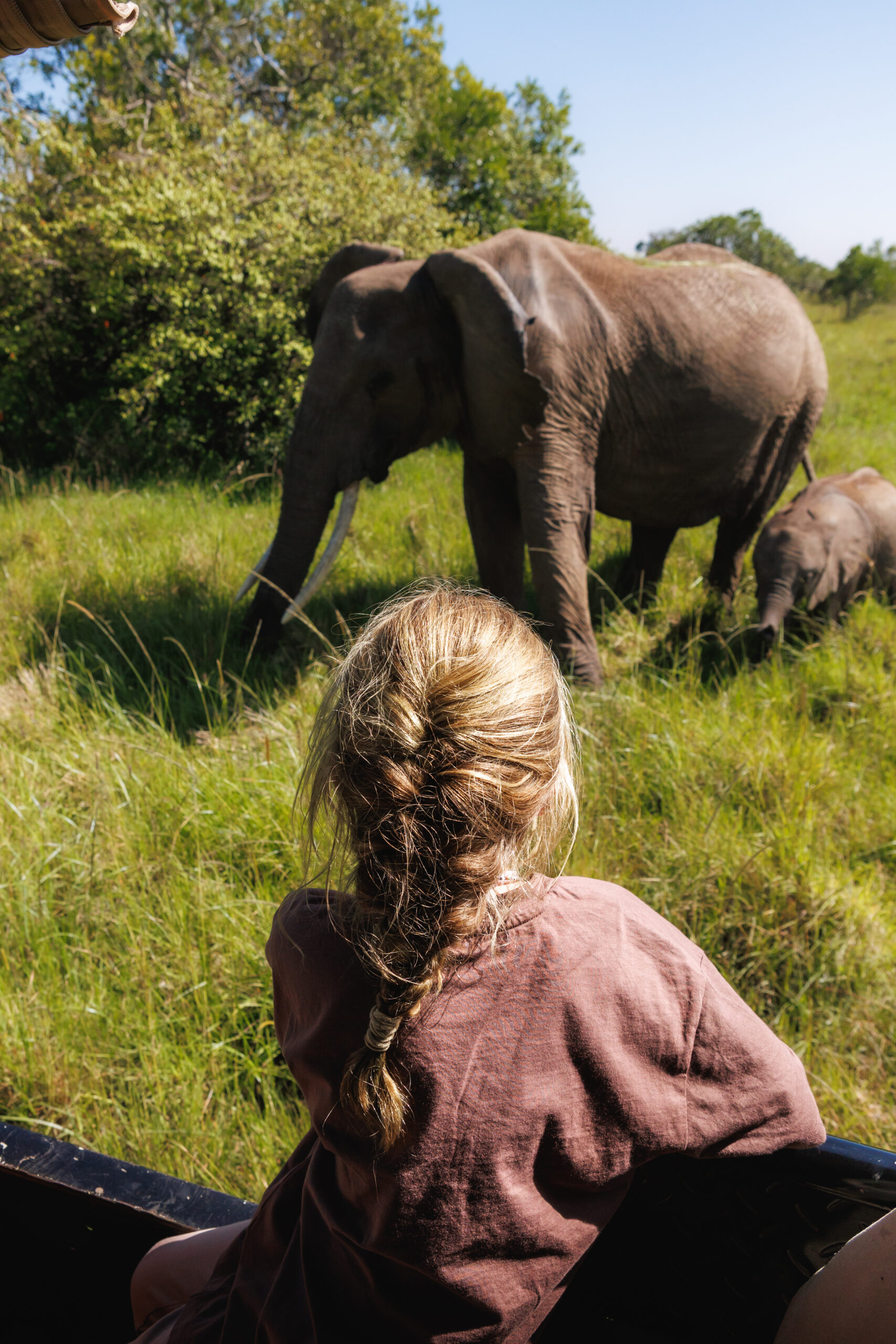
Within minutes, you are watching elephants move unhurried through thorny umbrella greenery, and you realise the game drive has already begun.
By the time your vehicle rolls into camp, the wilderness has already made its first impression. It is in the tranquil reception that you find yourself wondering why you took long before doing this.
Then it hits you, this is the effect the Maasai Mara has on a person.
WHEN THE GREEN SEASON HAPPENS
The green season arrives somewhere between November and May, when the dust on the sunbaked plains finally surrenders, the cracked earth drinks deeply and the plains shift from amber to a rolling green.
It begins gently with short rains in November and by March, the long rains arrive earnestly filling the waterways that sustain everything living here. And you discover a side of the Mara that isn’t often talked about.
A SEASON UNLIKE ANYTHING ELSE
There is a version of the Maasai Mara that most people never see because the travel calendar has long steered visitors towards the Great Migration. What lies either side of that window is also in many ways alive.
Watch the sky become part of the experience
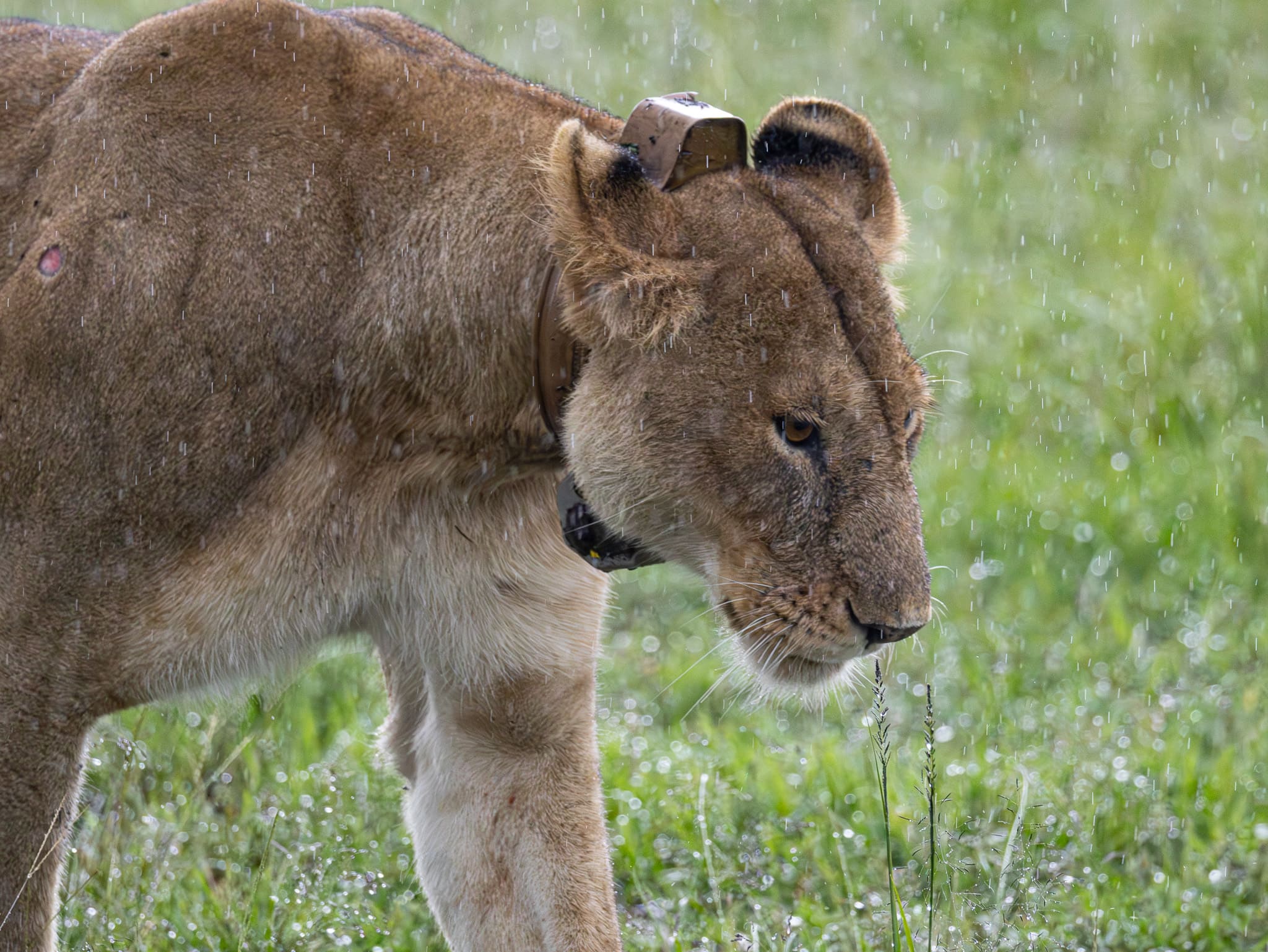
In the green season, the weather becomes part of the magic with ever-changing skies that shift by the minute painting the landscape in to something cinematic.
By mid-afternoon, cumulonimbus clouds build over the escarpment before releasing brief, theatrical downpours that leave the air smelling of wet earth. Twenty minutes later, the sun returns, a rainbow arcs over the plains, and a lion shakes rain from his mane and resumes his survey of the horizon, utterly unbothered.
Through the heavy cloud, a soft, diffused, colour rich light comes in a way the harsh midday glare of peak season simply cannot replicate. Our guides will tell you this unprompted, and so will any photographer who has shot the Mara across all seasons.
Follow the pre-migration’s most intimate chapter
The wildebeest river crossings are extraordinary, and rightly celebrated. But they represent only one page of a story that never truly ends.
As the short rains arrive, the herds begin to disperse across the wider Mara ecosystem, moving through the conservancies that border the reserve.
Away from the main game drive circuits, away from the busiest crossing points, the landscape opens up and there’s more immersion opening a chapter of the migration that is rawer and quieter.
Have the wilderness to yourself
During peak season, especially at the Maasai Mara National Reserve, a single sighting can draw a dozen tourists. In the green season, the roads belong almost entirely to you.
It is not uncommon to spend an entire morning game drive in the community-owned conservancies where most of our camps are located without passing another vehicle or having an obligation to move on.
The quality of an encounter changes fundamentally when it is not shared with other jeeps. You can hear the grass shift, see the cubs teasing each other at their parents feet, ask your guide to stop and let whatever is about to happen, happen.
This is the stillness you will carry home long after the photographs have been shared.

Witness a landscape operating at full capacity
The Maasai Mara in the green season is not the same place it is in August. The plains that appear close-cropped and ochre in the dry months turn vivid and roll alive.
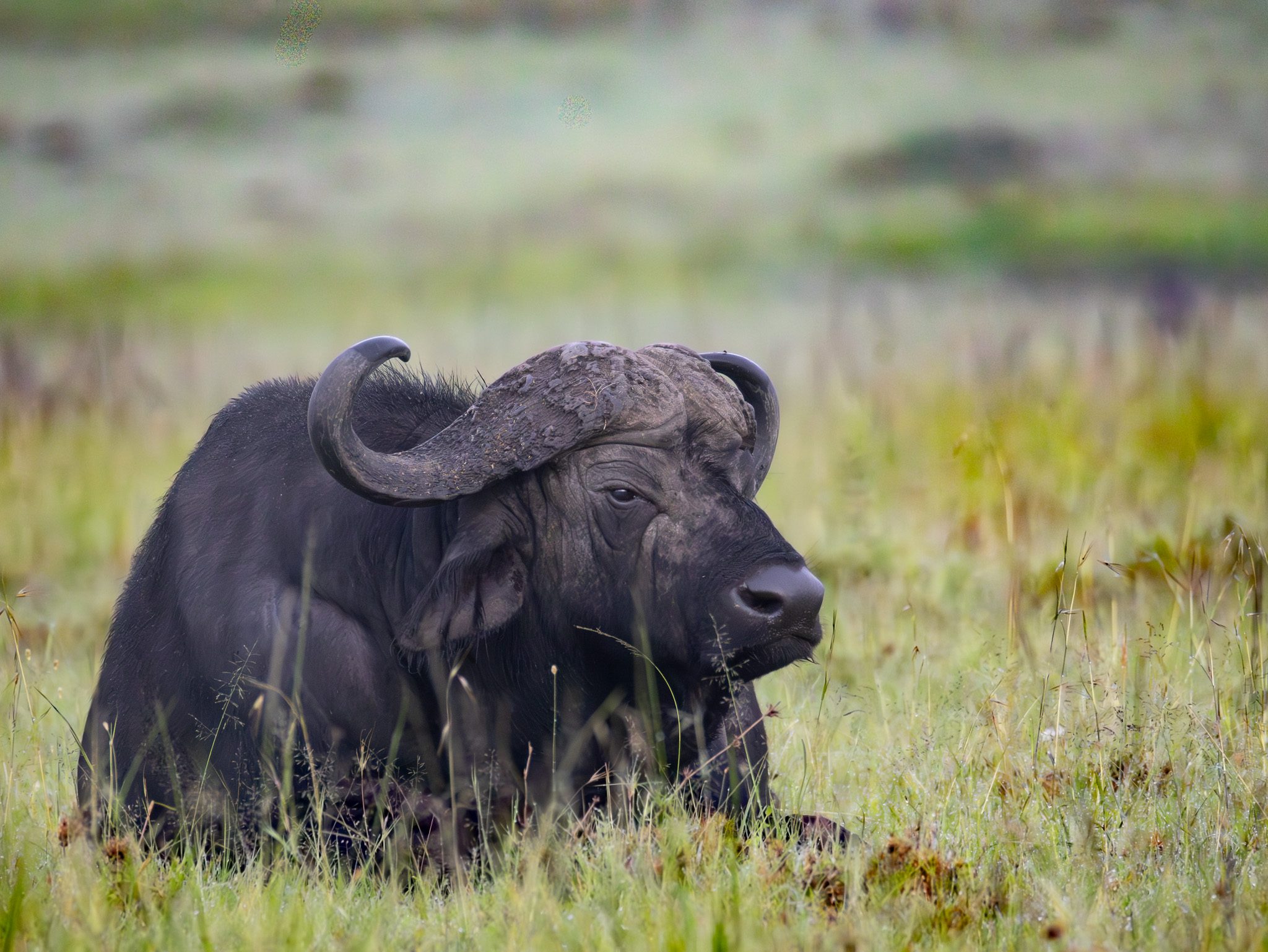
Seasonal rivers that were dry, cracked corridors for much of the year fill and flow again, drawing elephant herds and hippos back into corridors that were inaccessible for months. The resident wildlife spreads across the wider ecosystem, which means game drives cover more ground and produce more surprises.
Experience the calving season across species
Wildebeest, impala, zebra, topi and warthog all drop their young during these months, drawn by the abundance of new grass and its nutritional richness for lactating mothers. The result is an explosion of young animals across the plains and with them, a level of predator activity that plays out daily.
For those who come to understand the ecosystem rather than simply observe it, the green season is the more revealing time to visit. You are watching the Mara’s annual reset the moment when the next generation begins to test itself against the wild.
A FEW THINGS WORTH KNOWING BEFORE YOU COME
We’ve guided guests through every season the Mara has to offer. And there are a few things we always wish we could share before you arrive to turn a wonderful experience into an unforgettable one.
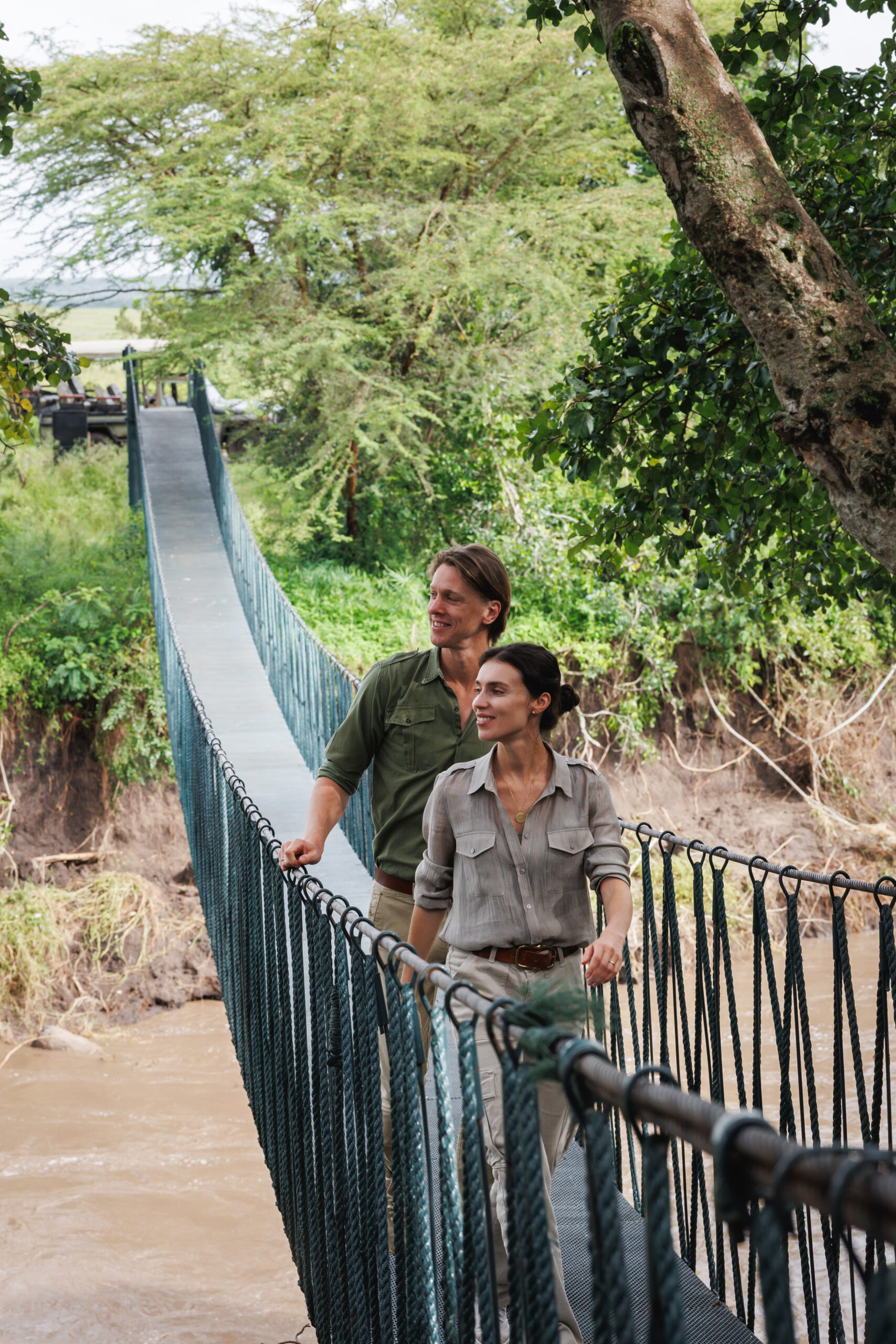
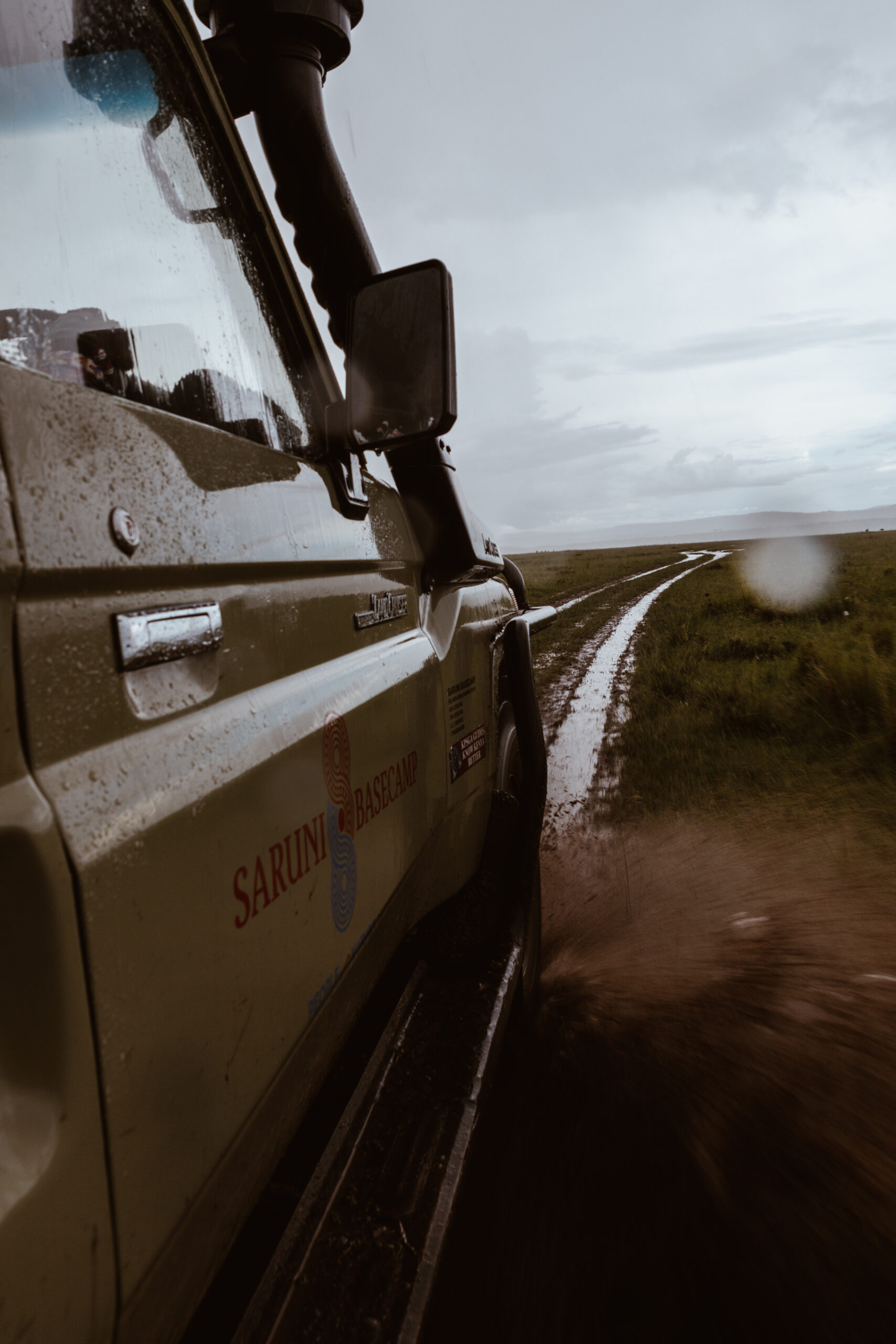
Not all camps are equal when the rains arrive. Our camps and lodges are built with reliable road access and teams experienced in wet-season guiding especially guides who knows where to find predators after rainfall.
The shoulder months often deliver the best of everything. Late November into early December, or April into early June, tend to offer lush landscapes without the heaviest downpours. Wildlife is present, light is exceptional, abundant space and fewer tourists.
Pack for versatility. A lightweight waterproof layer, quick-drying clothing, and a good pair of boots will serve you far better than anything that cannot handle a brief shower. Mornings in the Mara can be cool and still but afternoons warm quickly.
Build flexibility into your days. The bush runs on its own timetable. Rain can shift a game drive by an hour. Our guests who let the wilderness lead tend to have the richer experience. Some of the most extraordinary moments we have witnessed out here arrived precisely because a plan changed.
Your Invitation to Discovery
It is not the version of Kenya most people plan for. The green season requires a willingness to sit with the unexpected and to let the weather be part of the story.
In return, it offers the feeling that you have not just visited the Mara, but truly become part of it.
If you have been thinking about coming, this is your invitation.